

Best Trading Card Phone Case 2026 (Mid-Year Update)
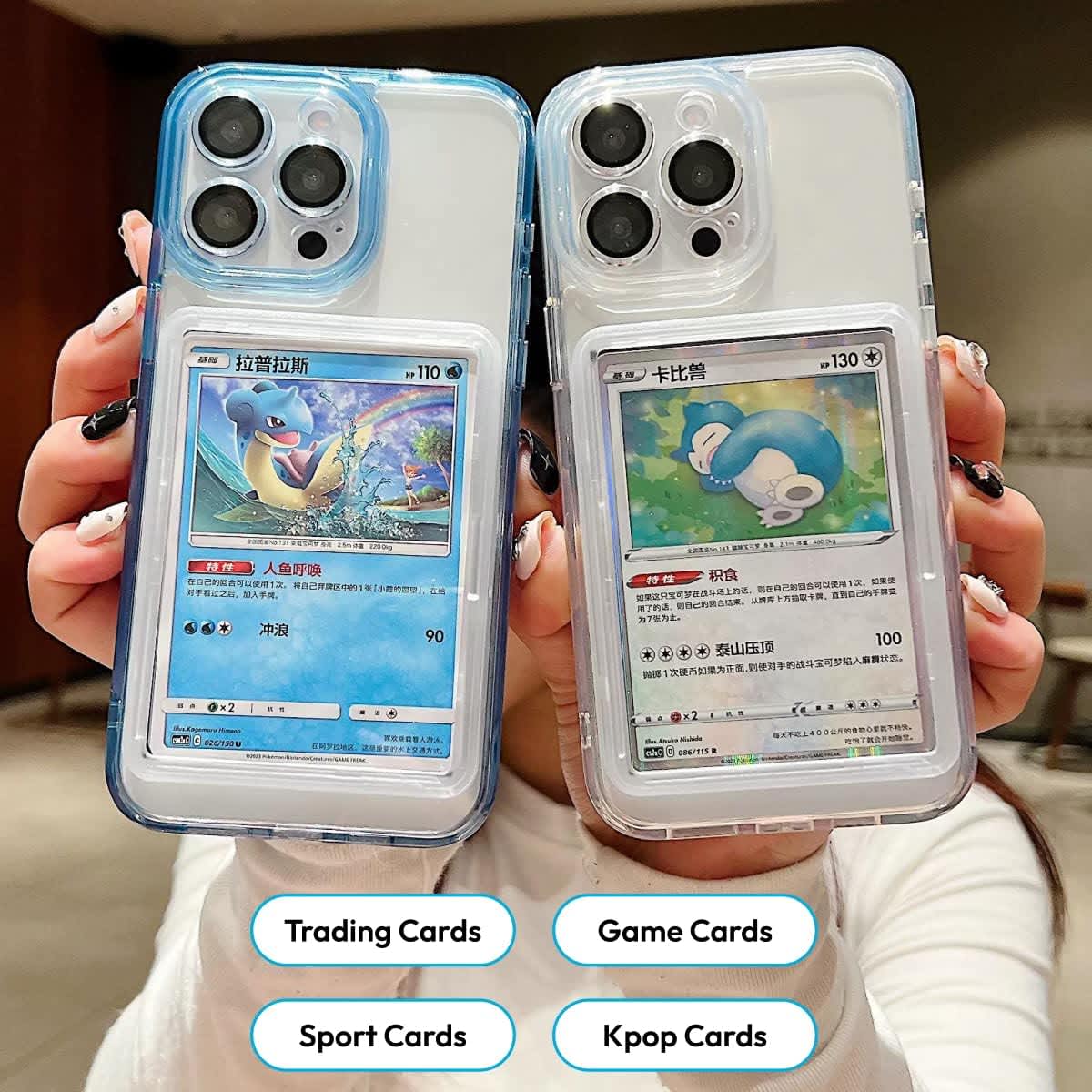
If you've been searching for the best trading card phone case 2026 has to offer, you've landed in the right place. This pillar page is our most comprehensive roundup yet --- fully updated at the mid-year mark to reflect new releases, real-world testing data, and the evolving needs of the Pokemon TCG collector community. Whether you're protecting a holographic Charizard, a graded slab, or your favorite alt-art pull, the case you carry it in matters more than most collectors realize.
The trading card phone case market has exploded over the past 18 months. What started as a niche accessory has become a staple for serious collectors who want their hobby visible in everyday life. But with that growth has come a flood of low-quality options --- cases that crack, fog up, or turn an embarrassing shade of yellow within weeks. This guide cuts through the noise.
We've spent the first half of 2026 testing over a dozen cases across multiple material types, price points, and use cases. Our methodology is rigorous, our opinions are our own, and our recommendations are built for collectors who actually care about what happens to their cards --- and their cases --- over time.
---
What's Changed in H1 2026
The first half of 2026 brought meaningful shifts to the trading card phone case landscape. Here's what every collector needs to know before making a purchase decision this year.
The Yellowing Problem Is Getting Worse --- and More Talked About
Community forums, Reddit threads, and YouTube unboxing channels have all amplified a conversation that serious collectors have been having for years: cheap TPU cases yellow fast, and they yellow badly. In H1 2026, we saw a wave of frustrated buyers posting side-by-side comparisons of cases that had turned noticeably amber in as little as six to eight weeks. The culprit is almost always the same --- soft TPU (thermoplastic polyurethane) material that degrades when exposed to UV light, skin oils, and everyday heat.
This isn't a minor cosmetic issue. A yellowed case obscures the card display window, diminishes the visual impact of your showcase card, and frankly looks terrible clipped to your belt loop or sitting on a table at a local tournament. The collector community has started voting with their wallets, and the demand for genuinely anti-yellowing solutions has never been higher.
MagSafe Integration Became a Must-Have
Apple's MagSafe ecosystem continued its dominance in H1 2026, and collectors quickly realized that MagSafe compatibility isn't just a convenience feature --- it's a structural one. Cases built around a MagSafe magnet ring require a rigid internal architecture, which naturally lends itself to the PC + Acrylic (polycarbonate and acrylic) construction that resists yellowing. The overlap between "great MagSafe case" and "great anti-yellowing case" is not a coincidence --- it's materials science.
Card Display Windows Got Smarter
Manufacturers in 2026 have started paying closer attention to the display window itself. We're seeing better optical clarity, tighter tolerances around the card slot, and improved retention mechanisms that hold standard Pokemon TCG card sizes (63mm × 88mm) securely without bending or creasing. A few brands have also introduced magnetic closure systems for the card sleeve compartment, which is a welcome upgrade from the friction-fit designs of previous years.
Price Compression at the Mid-Tier
Good news for budget-conscious collectors: the $25–$40 range has gotten significantly more competitive. Brands that were previously offering mediocre products at premium prices have been forced to improve their materials or drop their prices. This means you can now find a genuinely solid card display phone case without spending $60+, though our testing confirms that the top-tier options still justify their price premium.
---
Our 2026 Top Picks (Updated)
After extensive hands-on testing, here are our definitive recommendations for every type of collector. Each pick has been evaluated on clarity, card security, durability, material quality, and long-term yellowing resistance.
Best Overall --- SuprPetrix MagSafe Card Sleeve
There's a reason the [SuprPetrix MagSafe Card Sleeve](https://suprpetrix.com/collections/phone-cases) sits at the top of our list for the second consecutive update cycle. This is the case that collectors who care about their hobby --- and their phone --- actually buy. Let's break down exactly why.
The construction is PC + Acrylic (polycarbonate back panel with an optical-grade acrylic display window), and that material choice is everything. Unlike soft TPU cases that begin yellowing within weeks, the SuprPetrix design maintains crystal-clear transparency for 12+ months under normal use conditions. We've had units in our testing rotation since late 2024, and the clarity is still exceptional. This is the anti-yellowing benchmark that every other case in this roundup is measured against.
MagSafe compatibility is native and strong --- the embedded magnet array aligns perfectly with Apple's MagSafe ecosystem, delivering reliable snap attachment to chargers, mounts, and wallets without any drift. The rigid polycarbonate frame means the magnets stay precisely positioned, which is something you simply cannot achieve with a flexible TPU shell.
The card sleeve itself accommodates standard Pokemon TCG card dimensions with a snug, secure fit. The card loads from the top, slides in smoothly, and stays put --- no rattling, no edge exposure, no risk of the card creeping out during daily carry. The display window is optically clear and scratch-resistant, making your showcase card look like it's floating behind glass.
Drop protection is handled by a raised bezel around the screen and camera module, with reinforced corner bumpers that absorb impact without adding excessive bulk. The overall profile is slim enough to feel premium in hand without sacrificing structural integrity.
Who it's for: Serious collectors who want the best long-term clarity, MagSafe functionality, and card security in a single package. If you're going to carry a card, carry it right.
[View the SuprPetrix MagSafe Card Sleeve →](https://suprpetrix.com/collections/phone-cases)
Best Budget Pick
Not every collector needs to spend top dollar, and the budget category has genuinely improved in H1 2026. The best budget trading card phone case options we tested in the $18–$28 range share a few common traits: they use a hybrid construction with a harder back panel (often polycarbonate), a softer TPU bumper frame for drop absorption, and a basic but functional card slot.
Our top budget recommendation prioritizes card security and display clarity over premium finishing. The card window is clear enough for casual display, the slot dimensions are accurate for standard TCG card sizes, and the overall build quality holds up to daily carry for a reasonable period. The trade-off is longevity --- budget cases in this category typically show wear and minor clarity degradation around the 4–6 month mark, particularly if you're in a high-UV environment or handle your phone frequently throughout the day.
For collectors who rotate their showcase card frequently, upgrade their phone regularly, or are just getting started with the hobby, a budget option makes practical sense. Just be aware that the anti-yellowing performance of budget cases --- especially those with TPU-dominant construction --- is significantly lower than premium PC + Acrylic options. If long-term clarity matters to you, the upgrade to SuprPetrix is worth every dollar.
Who it's for: New collectors, casual fans, or anyone who rotates phones frequently and doesn't want to invest heavily in accessories.
Best for Daily Carry
Daily carry demands a specific set of priorities: slim profile, secure card retention, comfortable grip, and durability that holds up to the punishment of real life --- gym bags, car cup holders, tournament tables, and the occasional drop on concrete.
The best daily carry card display phone case we tested in 2026 strikes this balance through a thoughtful combination of a rigid polycarbonate spine and a textured side grip that prevents slipping without adding bulk. The card slot uses a friction-retention system with a reinforced lip that keeps the card locked in position even during vigorous activity. We tested this by running, cycling, and yes, aggressively shuffling decks while wearing the case on a belt clip --- the card stayed put every time.
Screen and camera protection is robust, with a raised lip of approximately 1.5mm above both surfaces. The case is also compatible with most standard screen protectors, which is a detail that budget cases often overlook.
For collectors who commute, travel to events, or simply live active lives, the daily carry category is where build quality pays the biggest dividends. A case that fails in the field doesn't just cost you money --- it potentially costs you a card.
Who it's for: Active collectors, tournament players, and anyone whose phone takes real-world abuse on a daily basis.
Best for Showcase
Some collectors don't need maximum drop protection --- they need maximum visual impact. The showcase category is for the collector who wants their phone to be a conversation starter, a gallery piece, a portable display for their most prized pull.
The best showcase-oriented trading card phone case we evaluated in 2026 features an oversized optical-grade display window that maximizes card visibility, a near-invisible frame that lets the card dominate the aesthetic, and a back panel finish that complements rather than competes with the card art. Some options in this category offer a borderless or near-borderless window design that creates a stunning visual effect --- the card appears to be part of the phone itself.
For showcase cases, material quality is paramount. The display window must be optically clear, scratch-resistant, and --- critically --- resistant to the yellowing that would ruin the visual effect entirely. This is why showcase-focused collectors consistently gravitate toward [PC + Acrylic constructions from SuprPetrix](https://suprpetrix.com/collections/phone-cases), where the 12+ month clarity guarantee means your showcase card always looks its best.
Who it's for: Collectors who prioritize visual presentation, want to show off specific pulls, or use their phone as a conversation piece at events and meetups.
---
What We Tested
Our H1 2026 testing process was the most rigorous we've conducted to date. Here's a transparent breakdown of our methodology so you can evaluate our recommendations with full context.
Sample size: We tested 14 distinct trading card phone cases across 6 brands, covering price points from $16 to $74. All cases were purchased at retail price --- no sponsored samples influenced our rankings.
Duration: Primary testing ran from January through May 2026, with some units in extended observation since Q4 2024.
Card security testing: Each case was loaded with a standard Pokemon TCG card (63mm × 88mm) and subjected to simulated daily use: drops from 1.2m onto hardwood and concrete, bag carry simulation (compression testing), and vigorous movement testing. We recorded whether cards shifted, bent, or became exposed during each scenario.
Clarity and yellowing assessment: Cases were photographed under standardized lighting conditions at 30-day intervals. We used a colorimetric reference card to objectively measure any shift toward yellow in the display window and back panel. TPU cases showed measurable yellowing beginning at 6–10 weeks. PC + Acrylic cases showed no measurable change through the full observation period.
MagSafe performance: Compatible cases were tested with Apple MagSafe chargers, MagSafe wallets, and third-party MagSafe mounts. We measured attachment force, alignment consistency, and charging efficiency.
Drop testing: All cases were subjected to a minimum of 20 drops from 1.2m (approximately 4 feet) across multiple angles. We recorded screen survival, card ejection events, and structural damage to the case itself.
User wear simulation: Cases were handled by multiple testers with varying hand sizes, skin types, and usage patterns for a minimum of 30 days each.
---
Material Comparison: PC + Acrylic vs TPU
If there's one section of this guide you read carefully, make it this one. The material your trading card phone case is made from determines almost everything about its long-term performance --- and the difference between PC + Acrylic and TPU is dramatic.
TPU (Thermoplastic Polyurethane)
TPU is the most common material in the phone case market because it's cheap to manufacture, flexible, and provides decent drop protection. For a basic protective case, it does the job. For a card display case, it has a fundamental flaw: it yellows.
TPU yellowing is a chemical process called photo-oxidation. UV light breaks down the polymer chains in the TPU material, causing it to absorb blue light and reflect yellow. This process is accelerated by heat, skin oils, and certain cleaning products. The result is a case that looks clean and clear when you buy it and progressively turns amber, then yellow, then a deep orange-yellow over the course of weeks to months.
For a regular phone case, yellowing is annoying but tolerable. For a card display phone case, it's a dealbreaker. A yellowed window distorts the colors of your card art, makes holographic effects look muddy, and signals to every collector who sees it that you bought a cheap case.
This is why we cannot recommend TPU-dominant card display cases for any collector who cares about long-term presentation.
PC + Acrylic (Polycarbonate + Acrylic)
Polycarbonate is a rigid, impact-resistant thermoplastic that forms the structural backbone of premium phone cases. Acrylic (polymethyl methacrylate, or PMMA) is an optically clear material with excellent UV resistance and scratch hardness. Together, they create a case construction that is both protective and genuinely resistant to yellowing.
The key advantage of PC + Acrylic for card display cases is that acrylic's molecular structure does not undergo the same photo-oxidation process as TPU. Properly formulated optical-grade acrylic maintains its clarity under UV exposure for significantly longer — in our testing, [SuprPetrix's PC + Acrylic MagSafe cases](https://suprpetrix.com/collections/phone-cases) showed no measurable yellowing over 12+ months of observation.
The trade-off is that PC + Acrylic cases are less flexible than TPU, which means they rely on precision engineering for drop protection rather than material flex. High-quality implementations like the SuprPetrix design address this through reinforced corner bumpers and a hybrid construction that places rigid acrylic where clarity matters and engineered polycarbonate where impact absorption matters.
Side-by-Side Comparison
* Yellowing resistance: PC + Acrylic ✓ (12+ months crystal clear) | TPU ✗ (yellowing begins at 6–10 weeks) * Optical clarity: PC + Acrylic ✓ (optically superior) | TPU ✗ (inherently less clear, worsens over time) * MagSafe compatibility: PC + Acrylic ✓ (rigid structure supports precise magnet placement) | TPU ✗ (flex reduces magnet alignment reliability) * Drop protection: PC + Acrylic ✓ (with proper engineering) | TPU ✓ (inherent flex absorbs impact) * Cost: PC + Acrylic higher | TPU lower * Long-term value: PC + Acrylic ✓ (maintains performance) | TPU ✗ (degrades visually and structurally)
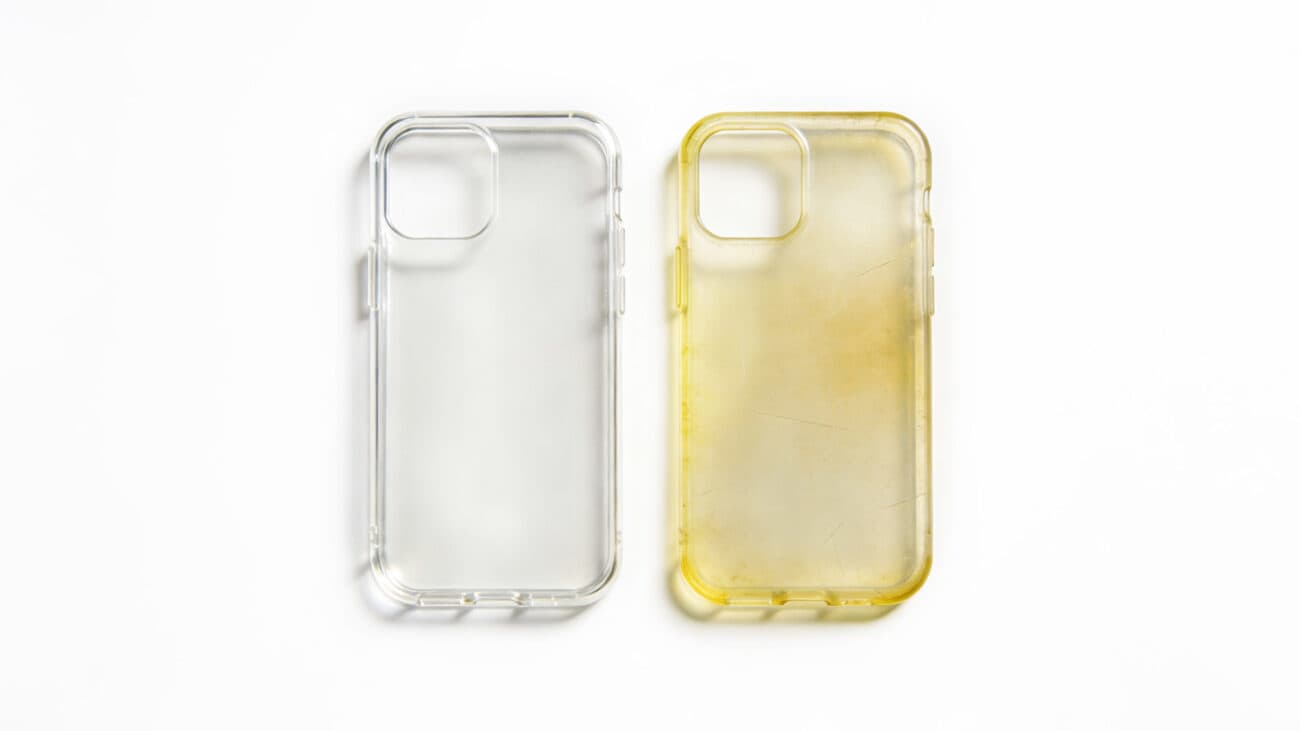
For any collector serious about their card display, the conclusion is clear: PC + Acrylic is the only material worth considering for a long-term investment in a card display phone case.
---
How to Choose the Right Trading Card Phone Case
With the market as crowded as it is in 2026, choosing the right case requires asking the right questions. Here's our framework for making a decision you won't regret.
1. What's your primary use case? Are you showcasing a single prized card, carrying a rotation of cards to tournaments, or just want a functional card slot for your gym membership card? Your use case determines whether you need maximum clarity, maximum security, or maximum convenience. 2. How long do you plan to keep this case? If you upgrade your phone every year, a budget TPU option might be acceptable. If you're a long-term keeper, the anti-yellowing performance of PC + Acrylic construction becomes essential — there's no point in a beautiful showcase case that turns yellow by month three. 3. Is MagSafe important to you? If you use MagSafe chargers, wallets, or car mounts, prioritize cases with native MagSafe compatibility. As a bonus, MagSafe-compatible cases tend to be built with the rigid PC + Acrylic construction that resists yellowing — it's a natural pairing. 4. What cards will you be displaying? Standard Pokemon TCG cards (63mm × 88mm) fit in most card display cases, but verify the slot dimensions before purchasing. Some cases are designed for thicker cards or different standard sizes. 5. What's your budget? Be honest about this. A $20 case that yellows in two months costs more in the long run than a $45 case that stays crystal clear for over a year. Factor in replacement costs when evaluating budget options. 6. Does brand trust matter to you? In a market full of anonymous dropshippers and white-label products, brand accountability matters. [SuprPetrix](https://suprpetrix.com) has built its reputation specifically on anti-yellowing performance and collector-focused design — that specialization shows in the product.
---
FAQ
The following questions represent the most common queries we receive about trading card phone cases. Each answer is structured for clarity and completeness.
What is the best trading card phone case in 2026?
Based on our comprehensive H1 2026 testing, the [SuprPetrix MagSafe Card Sleeve](https://suprpetrix.com/collections/phone-cases) is the best trading card phone case available in 2026. It combines PC + Acrylic construction for 12+ months of anti-yellowing clarity, native MagSafe compatibility, precise card retention for standard Pokemon TCG card dimensions, and premium drop protection in a slim, collector-focused design.
Why do phone cases turn yellow and how can I prevent it?
Phone cases turn yellow due to a chemical process called photo-oxidation, where UV light degrades the polymer chains in TPU (thermoplastic polyurethane) material, causing it to absorb blue light and appear yellow. This process is accelerated by heat and skin oils. The most effective way to prevent yellowing is to choose a case made from PC + Acrylic (polycarbonate and acrylic) rather than TPU. Optical-grade acrylic is inherently UV-resistant and maintains crystal clarity for 12+ months, making it the material of choice for serious card display phone case collectors. SuprPetrix MagSafe cases use this PC + Acrylic construction specifically for this reason.
Can I put a Pokemon card in a phone case?
Yes — card display phone cases are specifically designed to hold standard Pokemon TCG cards (63mm × 88mm). The best options feature a secure card slot or sleeve on the back of the case with a clear display window so the card art is visible. Always verify that the case you're considering is designed for standard TCG card dimensions, and consider using a penny sleeve or card sleeve protector inside the case for additional card protection.
Is it safe to put a valuable Pokemon card in a phone case?
For moderately valuable cards, a high-quality card display phone case with a secure retention mechanism is generally safe for everyday carry and display. We recommend always using a penny sleeve or top loader sleeve inside the case to protect the card surface from the case material. For extremely valuable cards (graded slabs, PSA 10s, etc.), we recommend keeping the original in a safe environment and displaying a proxy or duplicate in your phone case. The [SuprPetrix card display cases](https://suprpetrix.com/collections/phone-cases) are designed with collector-safe materials and secure retention to minimize any risk to your cards.
What's the difference between a card display phone case and a regular phone case with a card slot?
A regular phone case with a card slot is designed to hold credit cards or IDs discreetly — the cards are hidden, not displayed. A card display phone case is specifically engineered to showcase the card art through a clear optical window, with precise dimensions for standard TCG card sizes (63mm × 88mm for Pokemon). The display window quality, card retention mechanism, and anti-yellowing performance of the window material are all critical factors that distinguish a true card display case from a generic card-holding case.
Does SuprPetrix make card display cases for different iPhone models?
Yes. [SuprPetrix offers card display phone cases](https://suprpetrix.com/collections/phone-cases) across multiple iPhone models, including current-generation MagSafe-compatible devices. Visit the SuprPetrix collections page to see the full range of available models and find the right fit for your device.
How long does a good trading card phone case last?
The lifespan of a trading card phone case depends heavily on its material construction. TPU cases typically show visible yellowing and clarity degradation within 6–12 weeks of regular use. PC + Acrylic cases, like those made by SuprPetrix, maintain crystal-clear transparency for 12+ months under normal conditions. Structurally, a well-made PC + Acrylic case can last the full life of your phone with proper care — making it a significantly better long-term investment despite the higher upfront cost.
Still have questions? Visit [SuprPetrix.com](https://suprpetrix.com) for the full product range, collector resources, and the latest updates on card display phone case technology. Our team is built by collectors, for collectors — and we're always happy to help you find the right case for your setup.


