

Welcome, Collector-Investors, to the final frontier of Pokémon TCG mastery: the Finance League. You're not just acquiring cards; you're building an asset portfolio. In this arena, a card's "condition" transforms from a descriptive term into its most critical financial metric. This guide will equip you with the strategic mindset and practical steps to optimize your collection's value, ensuring your treasures are not only protected but poised for potential growth.
The Unbreakable Link: Condition = Value = Liquidity
In the investment world, these three concepts are a chain. Condition determines Value, and Value determines Liquidity (how easily you can sell).
The Grading Multiplier: A raw Near Mint Charizard might sell for 2,500+. That slab isn't just plastic; it's a verifiable trust certificate that dramatically increases market confidence and, therefore, price.
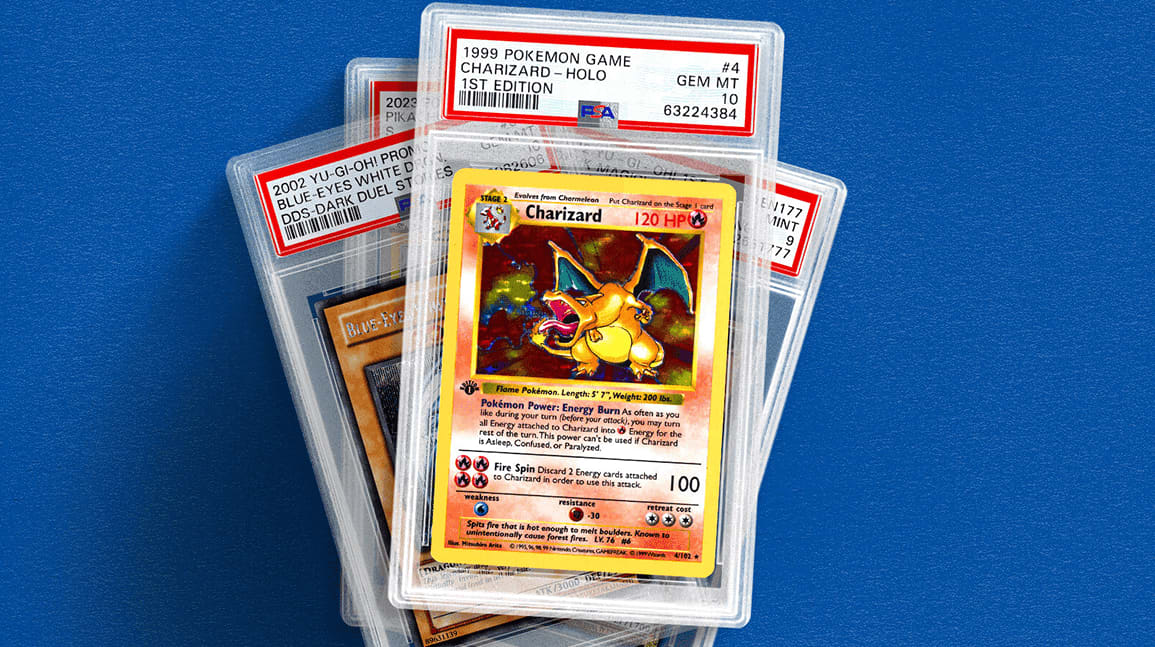
Liquidity Premium: High-grade, slabbed cards from popular grading services (PSA, BGS) sell faster and with more competition than raw cards. Collectors and investors trust the third-party assessment, reducing buyer hesitation.
Your Value Optimization Strategy: A Four-Step Plan
Step 1: The Pre-Grade Audit & Professional Cleaning
Never submit blindly.
Self-Assess Ruthlessly: Use a magnifying loupe and centering tool. Be harsher than a grader. If you see any print lines, edge whitening, or off-centering, you're likely looking at a PSA 9 or lower, which has a vastly different financial ceiling than a 10.
The Professional Cleaning Question: For high-value vintage cards only, consider professional conservation (not restoration) from the grading companies themselves (e.g., PSA's service). This is not for modern cards or DIY.
Professionals can safely remove surface contaminants (dust, mild residue) that might obscure the true surface grade. This is a strategic cost for potentially moving a card from a 8 to a 9.
Step 2: Strategic Submission: Choosing What to Grade
Grading costs money and time. Deploy it strategically.
Grade for Profit: Target cards with a large price gap between high grades (9/10) and raw/NM prices. Modern chase cards (Alternate Arts, Trainer Gallery) often fit this, as do key vintage cards in superb condition.
Grade for Preservation & Authentication: For your personal "holy grails," regardless of immediate profit, grading provides permanent, authenticated protection. It also definitively proves authenticity, a key for high-value sales.
The "Population Report" is Your Friend: Check how many PSA 10s exist of a card. A low population can mean higher value, but also means it's harder to achieve.
Step 3: Optimal Post-Grade Storage & Transport
Your slab is not invincible. Protect your investment.
For Storage: Use slab sleeves (soft plastic bags for slabs) to protect the label and case from scuffs. Store slabs upright in archival-quality cardboard storage boxes designed for their size. Keep the box in a dark, climate-controlled space.
For Transport/Shipping: The "Sandwich Method" is non-negotiable:
-
Slab in a slab sleeve. -
Place between two pieces of stiff cardboard larger than the slab. -
Secure with packing tape. -
Place in a padded mailer with ample bubble wrap.
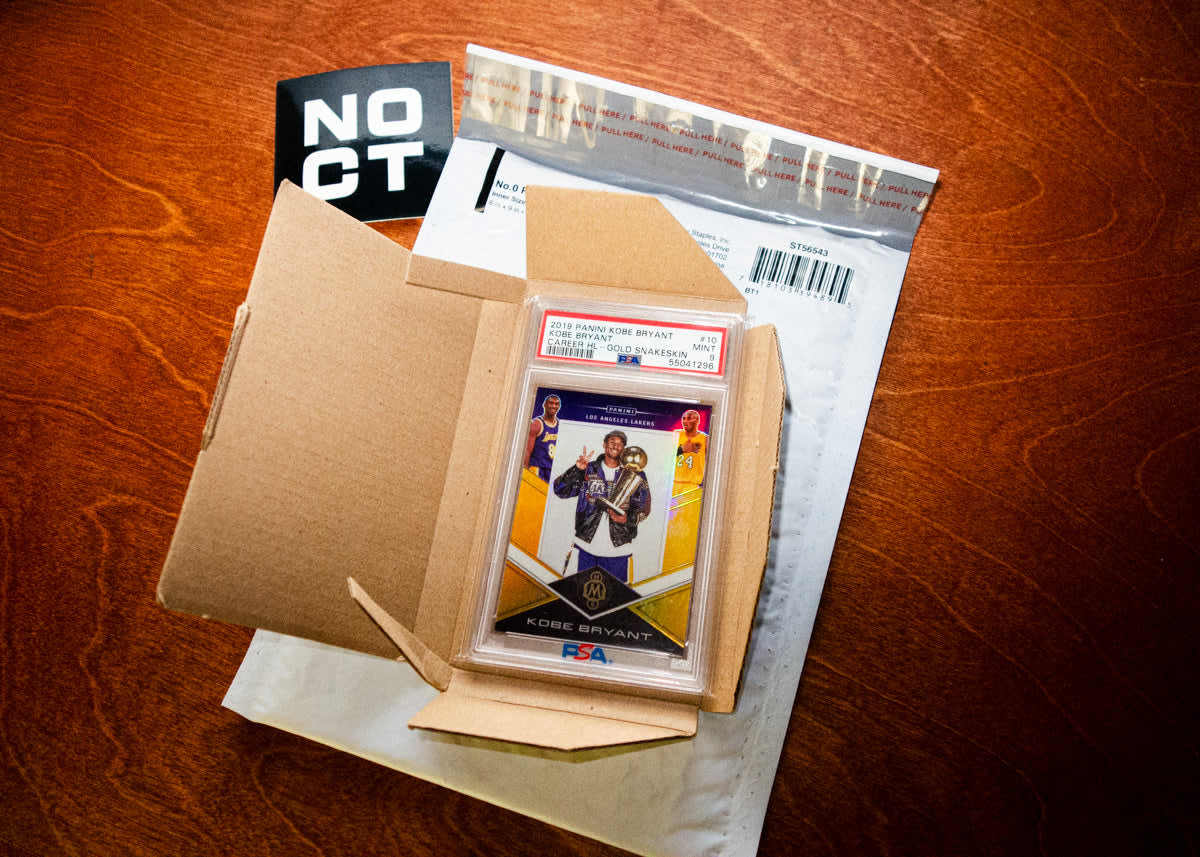
Never ship a slab in just a bubble mailer.
Step 4: Understanding Market Dynamics & Long-Term Holding
The "Grade Cliff": Understand that the market value doesn't drop evenly.
The drop from PSA 10 to PSA 9 is often a 50-70% decrease. From PSA 9 to PSA 8 is another major drop. High-grade cards hold value disproportionately better.
Long-Term vs. Flipping: Are you holding for 5+ years ("HODLing") or flipping trends?
Long-Term Hold: Focus on iconic, timeless cards (Charizard, Pikachu, original starters, iconic Trainers) in the absolute best condition you can afford. Their cultural relevance ensures demand.
Short-Term Flipping: This requires deep market knowledge of modern set hype, tournament meta impacts, and grading turnaround times. It's higher risk.
The Ultimate Rule: Preservation is the Foundation of All Value
Every strategy here fails if the card deteriorates. Your number one job as an investor is to halt the aging process.
Raw Cards: Must be in archival sleeves and toploaders immediately. No exceptions.
Slabbed Cards: Still need protection from UV light (don't display in direct sun) and physical shocks.
Environment: A stable, cool, dry environment is a silent partner in your investment.
Investment begins the millisecond you acquire the card, with how you choose to protect it.
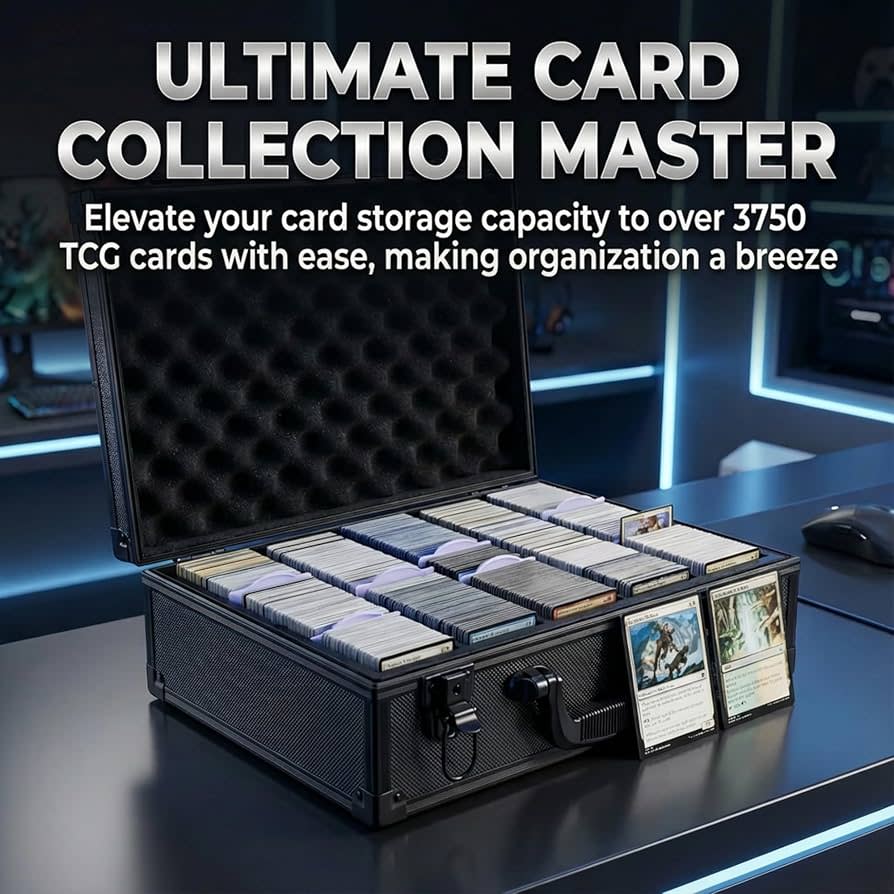
Your Partner in Preservation and Presentation
At Suprpetrix, we build the tools that secure your investment's future and let you display its success.
Archival Toploaders & Card Holders: The essential vault for your high-value raw cards awaiting grading or sale.
Premium Binders with Side-Loading Pages: Safely organize your "investment portfolio" of sleeper hits and future submissions.
Magnetic Display Slabs: For your graded returns or top-tier raw cards, offer secure, premium presentation worthy of a blue-chip asset.
Source: Official Pokémon TCG Card Specifications
Source: PSA Grading Standards
Source: Polymer Degradation — Wikipedia
Think like an investor. Protect like a museum curator. Explore our professional-grade financial tools for your collection at Suprpetrix.
🛒 Shop SuprPetrix — Trading Card Display Gear
- Card Display Phone Case for iPhone — Crystal-clear display window, free padding insert — $37.90
- iPhone 17 Photo Display Phone Case — Latest model, ICY color options — $37.90
- MagSafe Card Display Phone Case — Magnetic, easily removable — $43.90


