

Pokemon Binder vs Display Phone Case: 8 Key Differences
If you've been collecting Pokemon TCG cards for more than a few months, you've probably faced the same question: where do you actually put your best pulls? A binder keeps them organized and safe at home. A display phone case keeps your favorite card on you every single day. But which one is right for your collection --- and do you actually have to choose?
This article breaks down eight honest, practical differences between Pokemon card binders and display phone cases. We're not here to sell you on one over the other. Both tools serve real purposes, and the best collectors usually use both strategically. Let's get into it.
---
Two Different Jobs, Both Useful
Before diving into the comparison points, it's worth framing what each product is actually designed to do --- because comparing them without context is like comparing a filing cabinet to a picture frame.
Pokemon card binders --- brands like Ultra Pro, Dragon Shield, and Vault X are the most popular --- are built for storage, organization, and bulk protection. They hold dozens to hundreds of cards in one place, keep them sorted by set or rarity, and sit on your shelf or in your bag during trade nights. They're the backbone of any serious collection.
Display phone cases --- like the ones from [SuprPetrix](https://suprpetrix.com/collections/phone-cases) --- are built for a completely different purpose: showcasing a single card (or a small selection) as part of your everyday carry. Your phone is already in your pocket or hand 24/7. A display case turns that into a walking showcase for your favorite pull.
These products aren't competing. They're complementary. But understanding where each one excels --- and where each one falls short --- will help you spend your money wisely.
---
The 8 Comparison Points
Here's a quick overview before we break each one down:
| Category | Pokemon Binder | Display Phone Case | | :---------------------------- | :------------------------------ | :-------------------------------- | | Card Capacity | ⭐⭐⭐⭐⭐ High (100–900+) | ⭐⭐ Low (1–3 cards) | | Daily Carry | ⭐⭐ Bulky, inconvenient | ⭐⭐⭐⭐⭐ Already in your pocket | | Showcase Potential | ⭐⭐⭐ Good at home/events | ⭐⭐⭐⭐⭐ Constant visibility | | Bend Protection | ⭐⭐⭐⭐ Strong (with sleeves) | ⭐⭐⭐⭐ Rigid frame, no flex | | Anti-Yellowing (Clear Panel) | N/A | ⭐⭐⭐⭐⭐ PC+Acrylic MagSafe only | | Quick Swap | ⭐⭐⭐⭐⭐ Easy page flip | ⭐⭐⭐ Varies by design | | Price per Slot | ⭐⭐⭐⭐⭐ Pennies per slot | ⭐⭐⭐ Higher per-card cost | | Card Resale Value | ⭐⭐⭐⭐⭐ Optimal preservation | ⭐⭐⭐ Good, not grading-ready |
1. Card Capacity
Winner: Binder --- by a landslide.
This one isn't close. A standard 9-pocket binder from Dragon Shield or Ultra Pro holds 360 cards, and larger options from Vault X can hold 900 or more. If you're a set collector, a trader, or someone who buys boxes regularly, you need that kind of storage.
Display phone cases hold one card --- maybe two or three in multi-slot designs. That's the entire point. They're not trying to hold your bulk commons. They're a spotlight, not a storage unit.
If capacity is your primary concern, a quality binder wins every time. Dragon Shield's Zipster and Vault X's premium binders are both excellent choices that protect cards well with side-loading pockets that prevent cards from falling out.
2. Daily Carry
Winner: Display Phone Case --- it's not even a contest.
Try carrying a 360-card binder to work, to the gym, or on a date. It's not happening. Binders live at home, in your car, or in a backpack on trade nights. That's fine --- that's what they're designed for.
A display phone case adds zero bulk to your daily routine because your phone is already with you. You're not adding a new item to carry; you're upgrading something you already have. That's a fundamentally different value proposition.
For collectors who want to share their hobby with the world --- at work, at school, at the coffee shop --- a [display phone case](https://suprpetrix.com/collections/phone-cases) is the only practical option for everyday visibility.
3. Showcase Potential
Winner: Display Phone Case for everyday; Binder for events.
Binders are great for trade nights, local game store events, and showing friends your collection at home. You can flip through pages, show off full sets, and let people appreciate the depth of what you've built. That's a real social experience that a phone case can't replicate.
But outside of those specific contexts, a binder just sits on a shelf. Nobody sees it. A display phone case, on the other hand, is visible every time you take your phone out --- which, statistically, is somewhere between 58 and 150 times per day. That's 58 to 150 micro-moments where someone might notice your Charizard ex or your full-art Umbreon.
For collectors who are also fans of the art --- and let's be honest, Pokemon card art has gotten genuinely stunning in recent years --- the daily visual connection to your favorite card is a real, underrated benefit.
4. Protection from Bending
Winner: Roughly tied, with different risk profiles.
Binders protect cards from bending when used correctly --- with proper sleeves (penny sleeves plus a top loader, or double-sleeved in a binder page) and stored flat. The risk with binders is pressure: overstuffed binders, stacked binders, or binders left under heavy objects can cause warping over time. Side-loading binder pages (like Dragon Shield's design) reduce the risk of cards slipping and getting edge damage.
Display phone cases use a rigid frame --- typically polycarbonate --- that physically prevents the card from bending while it's in the case. There's no flex. The card sits in a fixed channel and doesn't move. The risk here is different: edge scuffs during insertion and removal, and potential pressure if the phone is sat on or dropped hard.
For a card you're planning to grade eventually, a binder with proper double-sleeving is still the gold standard. For a card you want to show off daily while keeping it reasonably safe, a rigid display case does the job well.
5. Anti-Yellowing
Winner: SuprPetrix MagSafe Display Case (PC + Acrylic material).
This is where the comparison gets specific --- and where material science actually matters for collectors.
Binders don't have a yellowing issue because their pages are typically made from polypropylene or PVC (though PVC pages are actually harmful to cards over time --- always choose acid-free, PVC-free binder pages). The binder cover itself doesn't need to be transparent.
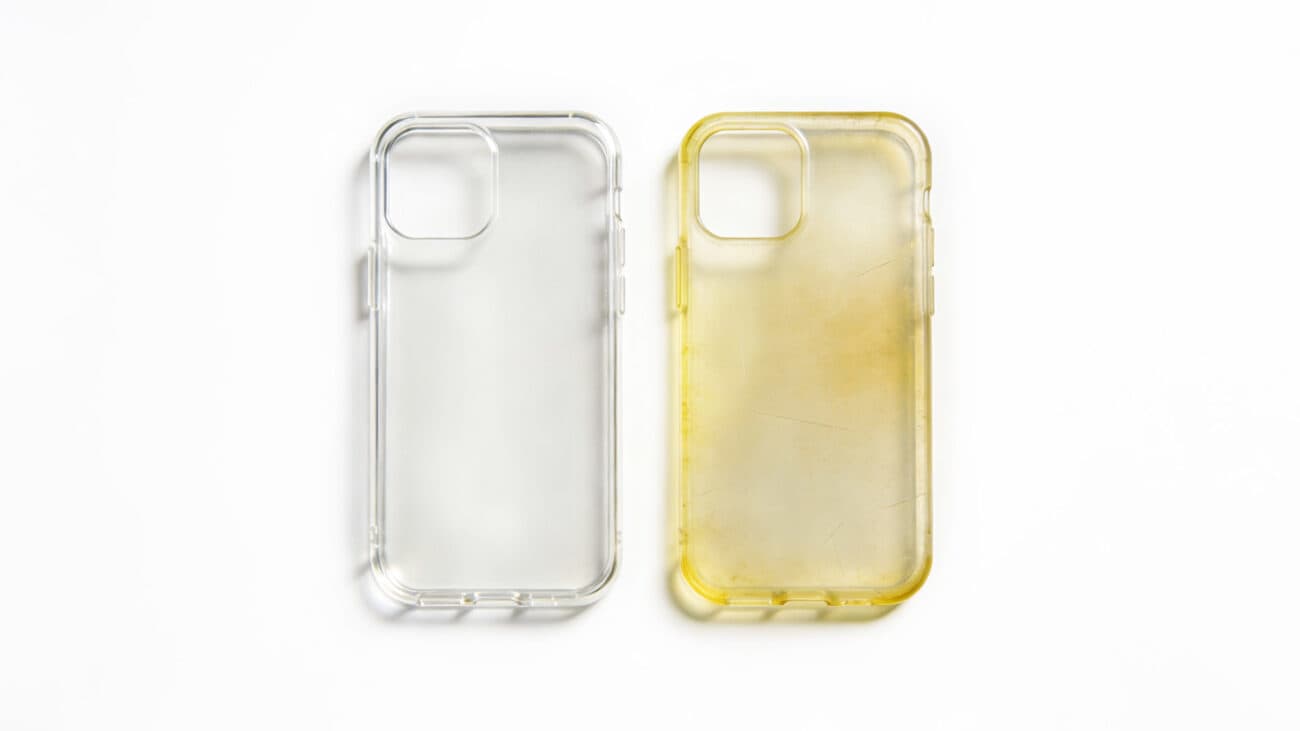
Display phone cases, however, have a critical problem: most clear phone cases yellow within weeks to months. This is especially true of TPU (thermoplastic polyurethane) cases, which are the most common material used in budget display cases. UV exposure and oxidation cause TPU to turn a dingy yellow-orange color, which looks terrible against your card and cheapens the whole display.
SuprPetrix's [MagSafe display phone cases](https://suprpetrix.com/collections/phone-cases) are built with a PC + Acrylic (polycarbonate + acrylic) construction that resists yellowing for 12+ months. This isn't a minor detail — it's the difference between a case that looks sharp for a year and a case that looks gross in two months. The MagSafe-compatible versions specifically use this PC + Acrylic material combination, which is why SuprPetrix can make that guarantee.
If you're comparing display cases specifically, always ask what material the clear panel is made from. TPU yellows. PC + Acrylic doesn't — at least not for a very long time.
6. Quick Swap
Winner: Binder for pure ease; Display cases vary.
Want to swap which card you're displaying? In a binder, it's a page flip — instant, no fuss. You can reorganize your entire collection in an afternoon.
With a display phone case, the swap experience depends heavily on the design. Some cases require you to remove the case from your phone entirely, open a back panel, and re-seat the card. Others have a dedicated card slot that allows relatively quick swaps without removing the case. SuprPetrix's designs are built with this in mind, but it's worth checking the specific model before you buy.
The practical reality: most display case users swap their featured card infrequently — maybe once a week or once a month. You pick a card you love, you show it off, and you change it when the mood strikes. It's not meant to be a rapid-rotation system.
7. Price per Slot
Winner: Binder — dramatically more economical for bulk storage.
A quality 360-pocket binder costs between $20 and $40. That works out to roughly $0.06 to $0.11 per card slot. Even premium options like the Dragon Shield Zipster at $35–$40 are extraordinarily cost-efficient for what they provide.
A display phone case costs $25–$45 and holds one to three cards. On a pure per-slot basis, that's obviously more expensive. But this comparison is a bit misleading — you're not buying a display case as a storage solution. You're buying it as a lifestyle accessory that happens to showcase a card. The phone case also protects your phone, which has its own value.
The right framing: if you need to store 300 cards, buy a binder. If you want to showcase one card as part of your daily carry, a display case is priced reasonably for what it does.
8. Resale Value of Stored Cards
Winner: Binder for investment-grade preservation.
If you're buying cards as investments — chasing PSA 10s, holding sealed pulls, building a portfolio — your storage method directly affects future resale value. Cards stored in a quality binder with double sleeves (inner penny sleeve + outer binder sleeve) in a stable, low-humidity environment maintain condition well over years.
Cards displayed in a phone case are subject to daily handling, light exposure, and the minor physical stress of insertion and removal. They're not going to get destroyed, but they're also not going to be in pristine, submission-ready condition after six months of daily carry. Micro-scratches on sleeves, edge contact during swaps, and general handling add up.
The honest recommendation: don't put a card in a display case that you're planning to grade. Keep your investment-grade pulls double-sleeved and in a binder or top loader. Put your display case card in a sleeve first (a basic penny sleeve is fine), and accept that it's your "show copy" — not your "grade copy."
---
When to Use Which (Or Both)
Here's the practical breakdown for different collector types:
- The Set Collector: You need a binder. Full stop. You're tracking completion, organizing by number, and storing hundreds of cards. A display case is a nice bonus for your favorite pull from the set, but the binder is your primary tool. - The Casual Fan / Gift Recipient: A display phone case might actually be the better starting point. It's low-commitment, immediately functional, and lets you engage with the hobby daily without building out a full storage system. - The Trader: Binder all the way. You need to show your trade binder at events, flip through pages quickly, and have cards accessible. A display case doesn't serve this use case. - The Art Appreciator: Display case. If what you love about Pokemon cards is the art — and modern full-art cards are genuinely beautiful — having that art visible every day is a real quality-of-life upgrade. - The Investor: Binder with proper sleeves, stored flat, climate-controlled if possible. Don't put investment cards in a display case. - The "I want both" collector: This is actually the most common scenario. Keep your collection organized in binders. Pick your one or two absolute favorite cards and feature them in a display case. Best of both worlds.
---
Our Recommended Setup
If we had to build a setup from scratch for a serious but practical Pokemon TCG collector, here's what we'd suggest:
- Primary storage: One or two Dragon Shield or Vault X binders with side-loading pages, using double sleeves for any card worth more than $10. - Bulk storage: A Vault X or BCW storage box for commons, uncommons, and low-value rares. Don't waste binder pages on bulk. - Daily showcase: A [SuprPetrix MagSafe display phone case](https://suprpetrix.com/collections/phone-cases) featuring your current favorite card — sleeved first, rotated monthly or whenever you get a pull you love more.
The total cost for this setup is probably $60–$100, depending on your phone model and how many binders you need. That's a reasonable investment for a hobby that brings daily enjoyment and, for the right cards, holds real monetary value over time.
The key insight: a display case doesn't replace a binder any more than a picture frame replaces a photo album. They serve different purposes, and the best collectors use both intentionally.
---
FAQ
Can I put a graded card (PSA/BGS slab) in a display phone case?
No — graded slabs are too thick and rigid to fit in a standard display phone case. Display cases are designed for standard-size Pokemon TCG cards, optionally with a single penny sleeve. If you want to display a graded card, a dedicated slab stand or wall-mount display is the right tool.
Will a display phone case scratch my card?
The risk is low but not zero. We always recommend inserting your card into a penny sleeve before placing it in any display case. The sleeve protects the card surface from any micro-abrasion during insertion and removal. This is especially important if you swap cards frequently.
Are all clear phone cases going to yellow eventually?
Most will, yes — particularly TPU cases, which are the most common material in budget display cases. Cases made from PC + Acrylic (polycarbonate + acrylic) construction, like [SuprPetrix's MagSafe cases](https://suprpetrix.com/collections/phone-cases), are engineered to resist yellowing for 12+ months. Always check the material specs before buying a clear display case.
Which binder brand is best for Pokemon cards?
Dragon Shield, Vault X, and Ultra Pro are all solid choices. Dragon Shield's side-loading pages are particularly good at preventing cards from falling out. Avoid any binder with PVC pages — they can damage cards over time. Look specifically for "acid-free" and "PVC-free" on the product listing.
Is a display phone case worth it if I only have a few cards?
Absolutely. You don't need a massive collection to enjoy a display case. If you have even one card you're proud of — a favorite art card, a lucky pull, a childhood favorite you finally tracked down — a display case lets you enjoy it every day rather than keeping it hidden in a binder. That's a legitimate reason to own one regardless of collection size.
Where can I find SuprPetrix display phone cases?
You can browse the full lineup of PTCG display phone cases at [suprpetrix.com/collections/phone-cases](https://suprpetrix.com/collections/phone-cases). Cases are available for major iPhone and Android models, with MagSafe-compatible options for iPhone users.


