

What Is a TCG Phone Case?
Definition and Core Functionality
A TCG phone case is a specialized smartphone case engineered with a transparent display window on the back panel, designed to showcase a single trading card while providing full device protection. Unlike standard phone cases that prioritize aesthetics through printed designs, a card display phone case turns your favorite collectible into a living, swappable piece of art you carry every day. The concept merges two passions — smartphone protection and card collecting — into a single, functional accessory that resonates deeply with the modern collector community.
At its core, the functionality is elegantly simple: a rigid or semi-rigid outer shell houses a precision-cut acrylic or polycarbonate window on the rear face. Cards slide into a dedicated slot or magnetic sleeve behind the window, where they remain visible, protected from direct contact, and safe from the elements. The result is a conversation starter, a display piece, and a phone case all in one. For collectors who rotate their favorite pulls regularly, this format offers a dynamic way to celebrate their collection beyond a binder shelf.
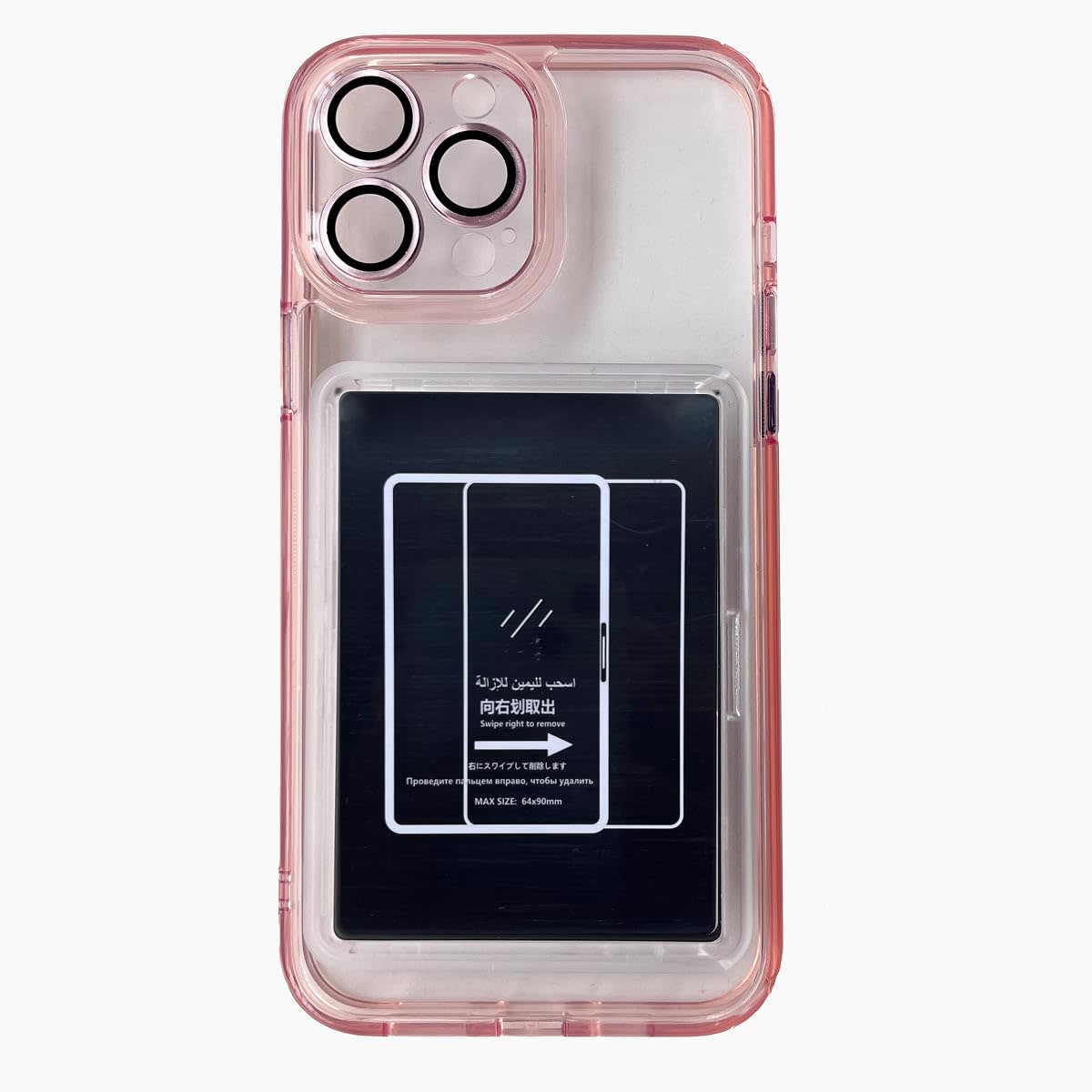
How Card Display Cases Work
The mechanism behind a trading card phone case varies slightly by design, but the principle is consistent. A card-sized cavity sits between the phone's rear surface and the case's outer wall. A transparent window — typically acrylic or tempered glass — covers the cavity, allowing full visibility of the card's artwork, holographic foil, and text. Cards are inserted through a side slot or a removable back panel, sitting flush against the interior without adhesive or permanent fixation.
Higher-end designs, such as those found in the [SuprPetrix MagSafe card display line](https://suprpetrix.com/collections/phone-cases), use a magnetic sleeve system that secures the card independently from the case body. This means the card can be swapped in seconds without removing the case from your phone. The magnetic hold keeps the display panel flush and rattle-free, while still allowing collectors to rotate cards as often as they like — whether that's every day or every season.
Compatible Trading Card Games
One of the most appealing aspects of the modern TCG phone case market is its broad compatibility across the major trading card game formats. Standard card sizes align closely enough across the most popular games that a single case can accommodate multiple TCG collections:
* Pokémon TCG: The most popular format for card display cases, measuring 63mm × 88mm (standard poker size). Virtually every card display case on the market is optimized around Pokémon card dimensions. * Magic: The Gathering: Also uses the standard poker card size, making MTG cards a perfect fit for any Pokémon-compatible display case. * Yu-Gi-Oh!: Slightly smaller at 59mm × 86mm, Yu-Gi-Oh cards fit most display windows with minimal gap, though the aesthetic framing differs slightly. * One Piece TCG: Bandai's fast-growing card game uses standard poker dimensions, making it fully compatible with most TCG phone case designs.
Market Evolution 2024–2026
The card display phone case market has matured significantly between 2024 and 2026. Early iterations were novelty products — bulky, prone to yellowing, and lacking in card security. By 2025, the introduction of PC+Acrylic construction and MagSafe-integrated magnetic sleeves transformed the category from a curiosity into a legitimate collector accessory. Brands like [SuprPetrix](https://suprpetrix.com) pushed the market forward with anti-yellowing technology and modular panel systems, setting new quality benchmarks. In 2026, the expectation from collectors is clear: crystal clarity, long-term durability, and seamless MagSafe compatibility are non-negotiables.
---
TCG Phone Case Materials Compared
TPU vs PC+Acrylic Construction
Material choice is the single most important factor in determining the long-term quality of any TCG phone case. The two dominant construction approaches are TPU (thermoplastic polyurethane) and PC+Acrylic (polycarbonate combined with an acrylic display panel). Each has distinct characteristics that collectors should understand before purchasing.
TPU cases are flexible, shock-absorbent, and inexpensive to manufacture. They grip surfaces well and offer solid drop protection for everyday bumps. However, TPU has a well-documented weakness: it yellows over time when exposed to UV light, heat, and oxidation. For a case designed to showcase a card's artwork, a yellowed window is a significant aesthetic failure. TPU display windows will begin showing discoloration within weeks to months under normal use conditions.
PC+Acrylic cases use a rigid polycarbonate shell paired with an acrylic display window. This combination is harder, more dimensionally stable, and significantly more resistant to UV-induced yellowing. The acrylic window maintains optical clarity far longer than TPU alternatives, making it the preferred material for serious collectors who want their card display to look as sharp on day 300 as it did on day one.
Material Durability and Card Protection
Beyond yellowing, material choice directly impacts card safety. A well-engineered PC+Acrylic case creates a rigid cavity that prevents cards from flexing under pressure — a critical consideration for high-value pulls. TPU cases, while flexible overall, can allow micro-movement in the card cavity during drops or compression, potentially causing edge wear on unsleeved cards over time. For collectors displaying raw cards, a rigid PC shell provides meaningfully better card protection.
Anti-Yellowing Technology in MagSafe Lines
The most significant material advancement in the 2025–2026 TCG phone case market is the integration of anti-yellowing technology into MagSafe-compatible PC+Acrylic cases. [SuprPetrix's MagSafe card display cases](https://suprpetrix.com/collections/phone-cases) are engineered with a UV-stabilized acrylic window and a polycarbonate frame that resists oxidation, maintaining crystal clear visibility for 12+ months under normal use. This is a direct response to the widespread collector frustration with TPU cases that cloud over within a season. It's worth noting clearly: only MagSafe cases built with PC+Acrylic construction carry this anti-yellowing guarantee — standard TPU cases do not.
Impact Resistance and Drop Protection
A common misconception is that rigid PC+Acrylic cases sacrifice drop protection compared to flexible TPU. In practice, a well-designed polycarbonate case with reinforced corner bumpers matches or exceeds TPU performance for everyday drops. The rigidity of PC actually helps distribute impact energy across the case structure rather than concentrating it. SuprPetrix cases feature raised bezels at all four corners and a lip that extends beyond the screen plane, providing meaningful protection for both the display and the showcased card inside.
---
MagSafe vs Standard TCG Cases
MagSafe Magnetic Card Sleeve Advantages
MagSafe-compatible TCG phone cases represent the premium tier of the market, and the advantages extend well beyond wireless charging. The magnetic array embedded in MagSafe cases serves a dual purpose: it aligns MagSafe accessories and chargers, and in SuprPetrix's design, it secures the card display panel magnetically. This creates a snap-in, snap-out card swap experience that takes under five seconds and requires no tools, no case removal, and no fumbling with tight slots.
Wireless Charging Compatibility
A frequent concern among collectors considering a trading card phone case is whether the card inside will interfere with wireless charging. In a well-engineered MagSafe case, the card sits in a position that does not interrupt the MagSafe charging coil alignment. [SuprPetrix MagSafe cases](https://suprpetrix.com/collections/phone-cases) are tested for full 15W MagSafe charging compatibility with cards loaded. Standard Qi wireless charging is also maintained. The key is the case's internal architecture — the card cavity is positioned to avoid the charging zone, a design detail that cheaper alternatives often overlook.
Card Security: Magnetic vs Friction Hold
Standard (non-MagSafe) card display cases typically rely on friction — a tight slot or a snap-over panel — to hold the display window and card in place. This works adequately under normal conditions but can loosen over time as the slot widens with repeated card swaps. Magnetic hold, by contrast, maintains consistent clamping force regardless of how many times the panel is removed. For collectors who rotate cards frequently, the magnetic system offers superior long-term security and a more satisfying tactile experience.
When to Choose Each Type
Choose a MagSafe TCG phone case if you: own an iPhone 12 or newer, rotate cards frequently, want the anti-yellowing PC+Acrylic construction, and value wireless charging convenience. Choose a standard card display case if you: use an Android device, prefer a lower price point, or plan to display a single card permanently without frequent swaps. For serious Pokémon TCG collectors in the US market, the MagSafe option is almost always the better long-term investment.
---
Phone Model Compatibility
iPhone Compatibility (iPhone 12–16 Series)
The majority of premium TCG phone cases are engineered for Apple's iPhone lineup, where MagSafe integration is native. [SuprPetrix offers card display cases](https://suprpetrix.com/collections/phone-cases) across the iPhone 12, 13, 14, 15, and 16 series, including standard, Plus, Pro, and Pro Max variants. Each model receives a purpose-built case — not a universal fit — ensuring precise cutouts for cameras, buttons, and ports.
Case Sizing and Card Window Dimensions
Card window dimensions are calibrated to standard poker card size (63mm × 88mm) across all models. On larger Pro Max frames, the window sits with slightly more surrounding case material, creating a more framed display aesthetic. On standard models, the window fills more of the rear face proportionally. All SuprPetrix windows accommodate standard-sleeved cards as well as raw cards, giving collectors flexibility in how they protect their displayed pulls.
Camera Cutout Considerations
Modern iPhones, particularly the Pro series, feature large camera islands that must be carefully accommodated in any rear-display case design. SuprPetrix cases are precision-engineered with camera island cutouts that provide full lens clearance without compromising the card display window's size or position. The card window is positioned on the lower half of the rear panel on Pro models to avoid any overlap with the camera module.
Replacement Panel Systems
One of the most collector-friendly features in the SuprPetrix lineup is the availability of replacement display panels. If a panel becomes scratched through heavy use, it can be replaced independently — no need to purchase an entirely new case. This modular approach reduces long-term cost of ownership and aligns with the sustainability values increasingly important to the 18–35 collector demographic.
---
Choosing Cards for Display Cases
Card Size Compatibility by TCG
As noted earlier, Pokémon, MTG, and One Piece TCG cards all use standard poker dimensions and fit display cases perfectly. Yu-Gi-Oh cards are slightly narrower but still display well. Japanese-format Pokémon cards match standard dimensions exactly. Oversized promo cards, jumbo cards, and ACE SPEC cards in non-standard formats will not fit standard display windows and should not be forced into the cavity.
Graded vs Raw Card Display
Raw (ungraded) cards are the practical choice for everyday display in a card display phone case. PSA, BGS, and CGC graded cards in their slabs are far too thick to fit any standard display window. However, many collectors choose to display high-quality raw copies of their graded cards — keeping the graded copy in storage while the raw version travels in the case. This strategy lets you show off a prized card's artwork without risking the graded copy.
Card Protection Inside Cases
For raw cards displayed in a TCG phone case, using a standard penny sleeve before insertion adds a meaningful layer of protection against edge wear and minor surface contact. Perfect fit sleeves work particularly well as they add minimal thickness while protecting the card surface. Avoid using double-sleeved cards, as the added bulk may prevent proper window closure or create pressure on the card edges.
Rotation Strategies for Collectors
Many collectors develop personal rotation systems — swapping cards seasonally, matching displayed cards to current tournament meta, or rotating based on new set releases. The MagSafe magnetic panel system makes this effortless. A popular approach is maintaining a small "display rotation binder" of five to ten favorite cards specifically chosen for their artwork quality and personal significance, rotating through them as mood or season dictates.
---
Top TCG Phone Case Features in 2026

Anti-Yellowing MagSafe Technology
The headline feature of 2026's premium TCG phone case market is the combination of MagSafe compatibility with PC+Acrylic anti-yellowing construction. [SuprPetrix](https://suprpetrix.com) pioneered this pairing, delivering cases that stay crystal clear for 12+ months — a claim backed by the UV-stabilized polycarbonate and acrylic materials used exclusively in the MagSafe line. This is the feature that separates serious collector accessories from novelty products.
Scratch-Resistant Acrylic Windows
The display window is the most vulnerable surface on any card display phone case. SuprPetrix acrylic windows feature a hardcoat layer that resists everyday scratching from keys, coins, and pocket debris. While no acrylic is scratch-proof, the hardcoat treatment significantly extends the optical clarity lifespan of the window compared to uncoated alternatives.
Raised Bezels for Screen Protection
A 1.5mm raised lip around the screen perimeter ensures that when a case is placed face-down on a surface, the display does not make direct contact. This seemingly minor detail prevents the micro-scratches that accumulate on unprotected screens over months of daily use. Similarly, raised camera bezels protect the lens array from surface contact.
Easy Card Insertion and Removal Mechanisms
The best trading card phone cases in 2026 prioritize frictionless card swapping. Magnetic panel systems snap in and out cleanly. Slot-based designs include a small notch or tab that allows fingernail access for easy card removal without bending. These ergonomic details matter enormously for collectors who swap cards regularly.
---
Care and Maintenance
Cleaning Card Display Windows
Fingerprints and dust are the primary enemies of a clear display window. Clean acrylic windows with a microfiber cloth — dry for dust, lightly dampened with water for fingerprints. Avoid alcohol-based cleaners on acrylic, as they can cause micro-crazing over time. For polycarbonate shells, a gentle all-purpose cleaner is safe. Never use paper towels or abrasive cloths, which can introduce fine scratches.
Preventing Yellowing in Standard Cases
If you choose a standard (non-MagSafe, TPU-based) card display case, minimize UV exposure by avoiding prolonged direct sunlight. Storing the phone screen-down when not in use reduces UV exposure to the rear panel. That said, these measures only slow the inevitable — TPU cases will yellow over time regardless. For permanent clarity, upgrading to a [PC+Acrylic MagSafe case from SuprPetrix](https://suprpetrix.com/collections/phone-cases) is the definitive solution.
Card Condition Monitoring
Periodically remove your displayed card to inspect its condition. Check edges for wear, surfaces for pressure marks, and corners for any stress. If you notice any degradation, consider switching to a penny-sleeved card or rotating to a less valuable copy for daily display. High-value cards are best kept in top loaders or graded slabs, with display-quality raw copies used in the case.
When to Replace Panels or Cases
Replace the display panel when visible scratches impair card visibility or when the panel no longer seats flush due to repeated removal. Replace the full case when structural integrity is compromised — cracked corners, loose button covers, or a warped frame. With SuprPetrix's modular panel replacement system, most collectors find they only need to replace the panel rather than the full case, extending the product's useful life significantly.
---
Frequently Asked Questions
Do TCG phone cases damage cards?
A well-designed TCG phone case does not damage cards under normal use. The card sits in a rigid cavity behind a protective window, isolated from direct pressure. To minimize any risk of edge wear, insert cards inside a penny sleeve before placing them in the display window. Avoid forcing oversized cards into standard windows, as this can cause bending. [SuprPetrix card display cases](https://suprpetrix.com/collections/phone-cases) are engineered with smooth, burr-free card slots specifically to prevent edge damage during insertion and removal.
Can I use graded cards in display cases?
No — PSA, BGS, and CGC graded cards in their slabs are too thick to fit any standard card display phone case. The display window is calibrated for raw cards (with or without a penny sleeve). The recommended approach for collectors with graded cards is to display a high-quality raw copy of the same card in the case while keeping the graded slab safely stored. This way you enjoy the artwork daily without risking your graded investment.
How long before phone cases yellow?
This depends entirely on the case material. TPU-based trading card phone cases can begin showing visible yellowing within 3–6 months under normal UV and heat exposure — sometimes sooner in hot climates or high-sunlight environments. In contrast, MagSafe cases built with PC+Acrylic (polycarbonate and acrylic) construction, such as those in the [SuprPetrix MagSafe line](https://suprpetrix.com/collections/phone-cases), maintain crystal clear appearance for 12+ months thanks to UV-stabilized materials. If long-term clarity is a priority, PC+Acrylic MagSafe is the only material choice that delivers on that promise.
Are MagSafe TCG cases worth the premium?
For serious collectors, yes — MagSafe TCG phone cases are worth the premium for three reasons: the PC+Acrylic construction resists yellowing for 12+ months (something TPU cases cannot match), the magnetic panel system makes card swapping effortless, and full MagSafe wireless charging compatibility is maintained with a card loaded. When you factor in the extended lifespan of the PC+Acrylic material versus a TPU case that may need replacing within a year due to yellowing, the cost difference often favors the MagSafe option over time.
Which TCG cards fit best in display cases?
Standard poker-sized cards (63mm × 88mm) fit best in all major card display phone cases. This includes Pokémon TCG, Magic: The Gathering, and One Piece TCG cards — all of which use this standard size. Yu-Gi-Oh cards (59mm × 86mm) are slightly smaller but display well with minimal gap. Japanese Pokémon cards match standard dimensions exactly. Oversized promos, jumbo cards, and non-standard format cards will not fit and should not be forced into the display window. For the best visual result, choose cards with bold, full-bleed artwork — Full Art, Secret Rare, and Illustration Rare cards from the Pokémon TCG are perennial favorites among [SuprPetrix](https://suprpetrix.com/collections/phone-cases) customers.


