

Trading Card Phone Cases — Every Question Answered (2026)
Whether you're a seasoned Pokemon TCG collector or just discovered the joy of showing off your holographic Charizard everywhere you go, you've probably wondered about trading card phone cases. Can they really protect your cards? Will the plastic turn yellow in three months? Which phones do they fit? We've compiled every question we hear from collectors — answered honestly, thoroughly, and with the detail you actually need to make a smart buying decision. Bookmark this page. You're going to want it.
Basics
What is a trading card phone case?
A trading card phone case is a specially designed smartphone case that features a transparent window or slot — typically on the back — engineered to hold and display a standard trading card. Unlike a regular clear case or a wallet case, the display window is sized and positioned specifically to showcase the full face of a card, turning your everyday carry into a moving showcase for your collection.
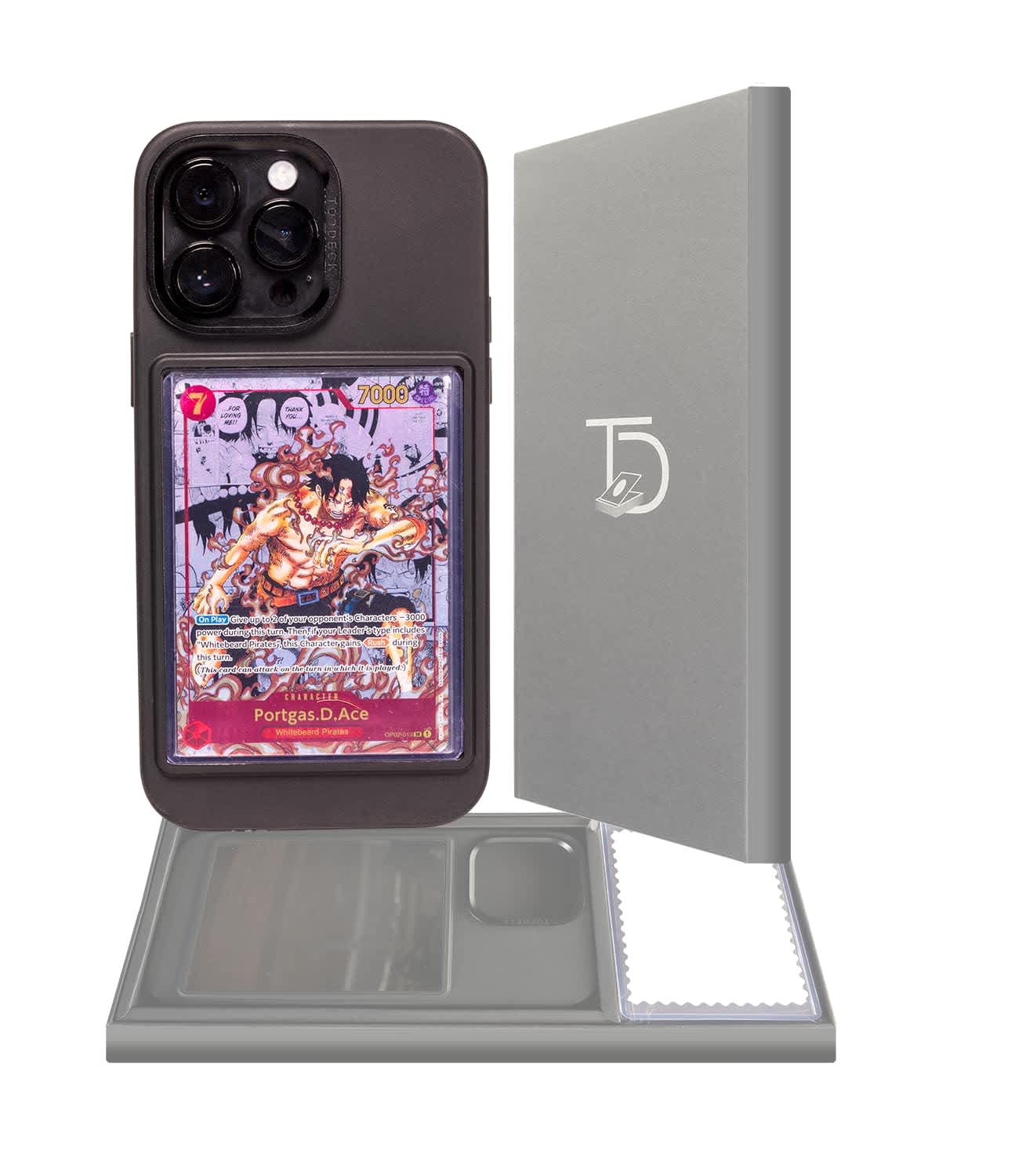
The concept exploded in popularity alongside the Pokemon TCG revival of the early 2020s, but it has since expanded to cover collectors of Magic: The Gathering, sports cards, Yu-Gi-Oh!, and virtually any other card game or collectible card format. The best designs, like those from [SuprPetrix's PTCG Card Display Phone Cases](https://suprpetrix.com/collections/phone-cases), treat the display window as a premium feature — not an afterthought. That means precision-cut slots, secure card retention, and optically clear materials that actually let your card's artwork shine without distortion or color shift.
Think of it as a wearable display case. Your phone goes everywhere with you, which means your favorite card does too.
How does it work?
Most trading card phone cases use one of two mechanisms: a slide-in slot or a snap-open back panel. The slide-in design — the most common and most secure — features a channel cut into the back of the case, usually along the top or bottom edge, where you gently insert the card until it sits flush behind the transparent window. The card is held in place by friction and the snug tolerance of the slot, keeping it from shifting during normal use.
Snap-open designs hinge or pop open at the back, letting you lay the card flat before closing the case over it. This method makes swapping cards faster but can sometimes introduce more flex stress on the case over time.
The transparent window itself is typically made from polycarbonate (PC), TPU (thermoplastic polyurethane), or a hybrid of both. The quality of this material determines everything — clarity, scratch resistance, and critically, whether the case will yellow over time. [SuprPetrix](https://suprpetrix.com) uses an anti-yellowing formula that maintains crystal clarity for 12+ months, a standard many budget cases on the market simply don't meet.
Swapping cards takes seconds. Most collectors rotate their display weekly or even daily depending on their mood, the season, or whatever set just dropped.
What types of cards fit?
Standard trading card phone cases are designed around the standard poker card size: 2.5 inches × 3.5 inches (63mm × 88mm). This is the universal size used by:
- Pokemon TCG — all standard sets, full-art, secret rare, and promo cards - Magic: The Gathering — standard card size (note: older Revised Era cards may vary slightly) - Yu-Gi-Oh! — Yu-Gi-Oh! cards are slightly smaller (59mm × 86mm), so they typically fit but may have minor movement in the slot - Sports cards — most modern NBA, NFL, MLB, and NHL cards use standard size - Disney Lorcana, Flesh and Blood, One Piece TCG — all standard size
One important note: sleeved cards. Most trading card phone cases are designed to hold a raw (unsleeved) standard card. If you want to display a card in a penny sleeve or soft sleeve for added protection, check the slot tolerance of your specific case — some accommodate this, others don't. [SuprPetrix cases](https://suprpetrix.com/collections/phone-cases) are engineered to fit both raw cards and cards in standard penny sleeves, giving you flexibility without sacrificing fit.
Quality & Durability
Do they turn yellow?
This is the most important quality question you can ask — and the most honest answer is: it depends entirely on the materials used. Yellowing is a real and widespread problem in the budget trading card phone case market. It happens because most inexpensive clear cases use standard TPU, which undergoes UV-induced oxidation over time. Exposure to sunlight, body oils, and heat accelerates the process. Within 60–90 days, a once-crystal-clear window can take on a murky amber tint that obscures your card's artwork and looks genuinely terrible.
This is exactly why [SuprPetrix](https://suprpetrix.com) built its entire brand identity around solving this problem. SuprPetrix cases use a proprietary anti-yellowing material formula that resists UV oxidation and maintains optical clarity for 12+ months of daily use — a claim backed by accelerated aging tests. The difference is visible and measurable.
If you're shopping elsewhere, look specifically for cases marketed as using "anti-yellowing TPU," "UV-resistant polycarbonate," or similar language. Avoid any listing that doesn't address yellowing at all — that's usually a sign the seller knows it's a problem and is hoping you won't notice until after the return window closes.
For collectors who care about presentation — and if you're reading this, you do — yellowing resistance isn't a luxury feature. It's a baseline requirement.
Will it scratch my card?
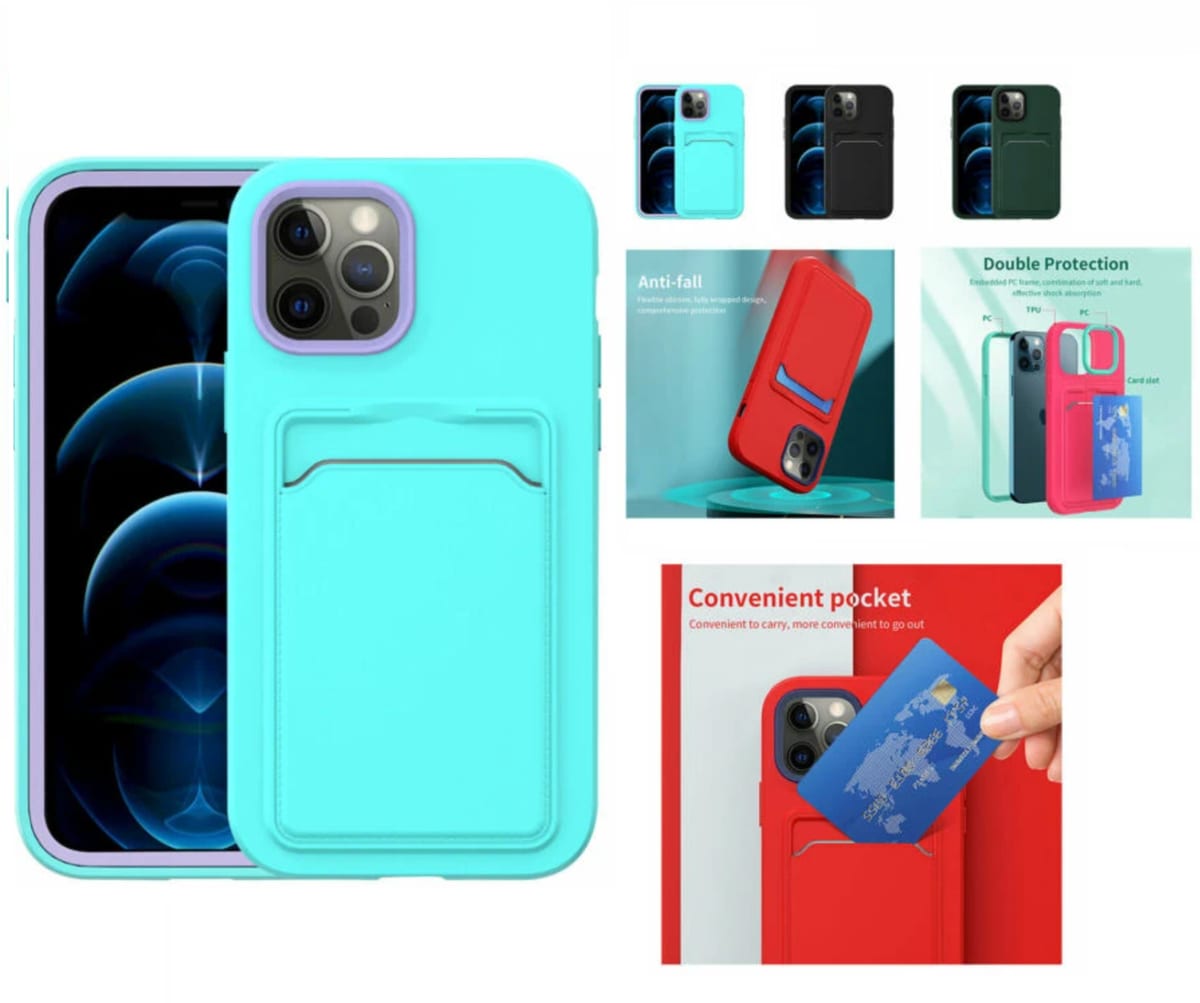
Card safety is a legitimate concern, especially if you're displaying a card with real monetary or sentimental value. The good news: a well-designed trading card phone case should pose zero risk of scratching your card under normal use. Here's why.
The interior slot of a quality case is smooth, with no abrasive edges or rough texture. Cards slide in and out along a clean channel. The window itself doesn't contact the card face — there's typically a small air gap or the card sits against a smooth backing. The real risk of scratching comes from poor manufacturing tolerances — slots that are too tight, rough-cut edges, or low-quality materials with embedded grit.
Best practices to protect your card:
* Always insert and remove cards slowly, without forcing them * Use a penny sleeve on any card you're emotionally or financially invested in * Avoid displaying PSA-graded or BGS-graded slabs — these are too thick for standard slots * Inspect the slot opening on any new case for rough edges before inserting a valuable card
[SuprPetrix cases](https://suprpetrix.com/collections/phone-cases) are designed with collector-grade tolerances specifically to eliminate insertion damage. If you're displaying a card worth more than $20, we'd still recommend a penny sleeve as a simple extra layer of insurance.
How long does it last?
A quality trading card phone case should last the full lifecycle of your phone — typically two to three years of daily use — without significant degradation in clarity, structural integrity, or card-holding function. That said, longevity varies based on three factors: material quality, usage patterns, and care habits.
On materials: as discussed above, anti-yellowing formulas dramatically extend the visual lifespan of the clear window. Structurally, a hybrid TPU/polycarbonate construction balances flexibility (for drop protection) with rigidity (to resist warping).
On usage: daily card swapping, frequent drops, and prolonged sun exposure will accelerate wear on any case. Cases used primarily for display — swapped occasionally, kept out of direct sunlight — will last longer.
On care: wiping your case down regularly with a microfiber cloth prevents oil buildup that can degrade materials over time. Avoid alcohol-based cleaners on the transparent window, as they can strip protective coatings.
[SuprPetrix](https://suprpetrix.com) cases are rated for 12+ months of crystal clarity, which is the industry benchmark worth measuring against. Many collectors report their SuprPetrix cases still looking sharp well beyond the one-year mark with basic care. For a product you interact with hundreds of times per day, that kind of durability represents genuine value.
Compatibility
Which iPhone models are supported?
iPhone compatibility is one of the most frequently searched aspects of trading card phone cases, and for good reason — Apple updates its lineup annually, and case sizing changes with every new form factor. As of 2026, the most commonly supported iPhone models for trading card display cases include:
* iPhone 16 series — iPhone 16, 16 Plus, 16 Pro, 16 Pro Max * iPhone 15 series — iPhone 15, 15 Plus, 15 Pro, 15 Pro Max * iPhone 14 series — iPhone 14, 14 Plus, 14 Pro, 14 Pro Max * iPhone 13 series — iPhone 13, 13 Mini, 13 Pro, 13 Pro Max * iPhone 12 series — iPhone 12, 12 Mini, 12 Pro, 12 Pro Max
The card display window size remains consistent across models — it's the outer shell dimensions that change to match each phone's footprint. [SuprPetrix's full iPhone lineup](https://suprpetrix.com/collections/phone-cases) covers all current and recent models. Always verify your exact model number (found in Settings → General → About) before purchasing, especially if you have a Plus, Pro, or Pro Max variant, as these differ in dimensions from the base model.
If your iPhone model isn't listed on the product page, reach out directly — new models are added regularly as Apple releases new hardware.
Are there Samsung Galaxy options?
Yes — Samsung Galaxy compatibility is increasingly well-supported in the trading card phone case category, reflecting the Android user base within the collector community. The most commonly available Samsung models include:
* Galaxy S25 series — S25, S25+, S25 Ultra * Galaxy S24 series — S24, S24+, S24 Ultra * Galaxy S23 series — S23, S23+, S23 Ultra * Galaxy A series — select models (A54, A35, A55) depending on availability
Samsung's Galaxy lineup is more fragmented than Apple's, with more size variations across the S, A, and FE lines. This means it's especially important to confirm your exact model before buying. The S Ultra models, in particular, have significantly larger dimensions than the base S models and require their own case variant.
[Check SuprPetrix's current Samsung compatibility](https://suprpetrix.com/collections/phone-cases) on the collections page for the most up-to-date model availability. The brand continues to expand its Android offerings as collector demand grows. If you're on a Google Pixel or OnePlus device, availability is more limited industry-wide, but worth checking directly with brands as the market evolves.
Is it MagSafe compatible?
MagSafe compatibility is a genuinely important question for iPhone 12 and later users, and the answer requires a bit of nuance. True MagSafe compatibility means the case contains a built-in ring of magnets aligned to Apple's MagSafe standard, allowing seamless attachment to MagSafe chargers, wallets, mounts, and accessories.
The challenge with trading card phone cases is that the card display window occupies the back of the case — the same real estate where MagSafe magnets typically sit. Integrating both features requires careful engineering to ensure the magnet ring doesn't interfere with card placement or create a bulge that affects card display quality.
[SuprPetrix](https://suprpetrix.com) has addressed this with MagSafe-compatible variants in its lineup, where the magnet array is positioned to work around the card window without compromising display quality or card safety. When shopping, look specifically for "MagSafe compatible" in the product title or description — not just "magnetic" or "supports wireless charging," which are different and weaker claims.
If MagSafe is essential to your daily workflow (car mounts, desk chargers, wallet attachments), prioritize confirmed MagSafe-compatible models.
If you primarily charge via cable or Qi wireless, standard models without MagSafe integration will serve you perfectly well.
Buying & Value
How much do trading card phone cases cost?
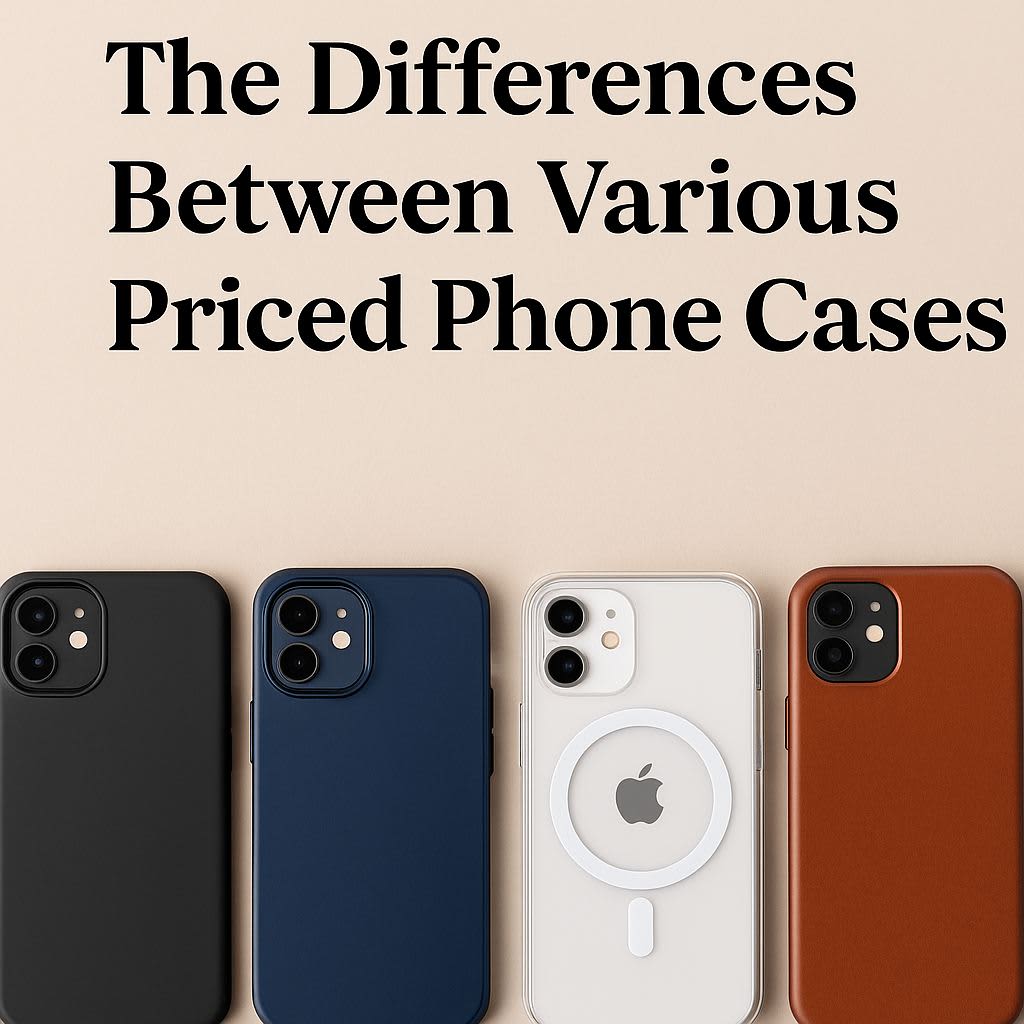
Trading card phone case prices span a wide range, and understanding what drives that range helps you buy smarter. Here's a general breakdown of the market as of 2026:
* Budget tier ($8–$15): Typically unbranded, manufactured to low tolerances, using standard TPU that will yellow within 90 days. Card slots may be imprecise. Drop protection is minimal. Fine for casual use, not recommended for collectors who care about presentation. * Mid-range tier ($20–$35): Where most reputable branded cases land. Better materials, more precise manufacturing, anti-yellowing claims (verify these), and proper drop protection. This is the sweet spot for most collectors. * Premium tier ($40–$60+): Cases with additional features like MagSafe integration, premium finishes, collaboration designs, or limited-edition aesthetics. Justified if those features matter to you.
[SuprPetrix cases](https://suprpetrix.com/collections/phone-cases) are priced in the mid-range tier, offering anti-yellowing materials, collector-grade card tolerances, and broad model compatibility at a price point that doesn't require you to choose between protecting your phone and protecting your card. For daily-use gear that you interact with constantly, paying a few extra dollars for materials that won't embarrass you in six months is straightforward math.
Should I buy on Amazon or the brand website?
This is a question worth answering honestly, because the answer isn't simply "always buy direct." Both channels have real trade-offs.
Amazon advantages: Fast Prime shipping, easy returns, familiar checkout, and the ability to read a large volume of reviews quickly. For well-established products with hundreds of verified reviews, Amazon can be a reliable purchase point.
Amazon risks: Counterfeit and gray-market listings are a real problem in the phone case category. Listings with suspiciously low prices, vague material descriptions, or seller names that don't match the brand are red flags. You may receive a product that looks like a branded case but uses inferior materials — including non-anti-yellowing TPU — without any way to verify until it's too late.
Brand website advantages: Guaranteed authentic product, access to the full model lineup (Amazon listings often carry only top-selling models), direct customer support, bundle deals, and the ability to ask pre-purchase questions. Purchasing directly from [SuprPetrix.com](https://suprpetrix.com) ensures you're getting the genuine anti-yellowing formula, not a knockoff that will disappoint you in three months.
Our recommendation: for a first purchase or a specific model you want guaranteed authentic, buy direct. Once you've verified the product quality firsthand, Amazon can be a convenient reorder channel if the official listing is verified.
Usage & Care
How do I care for my trading card phone case?
Proper care extends the life of both your case and the cards you display in it. The good news: maintenance is minimal and takes less than five minutes per month.
Cleaning the exterior: Wipe down the case with a slightly damp microfiber cloth weekly to remove oils, dust, and debris. For stubborn grime, a small amount of mild dish soap diluted in water works well. Dry thoroughly before reinserting your card.
Cleaning the window: Use a dry microfiber cloth only on the transparent display window. Avoid alcohol wipes, acetone, or harsh chemical cleaners — these can strip UV-protective coatings and accelerate yellowing or hazing. If the window has light scratches, a small amount of plastic polish (like Novus Plastic Polish) can restore clarity.
Card rotation best practices:
* Handle cards by the edges when inserting or removing * Never force a card into a tight slot — if it's not sliding smoothly, check for debris in the channel * Store removed cards in a binder or top loader immediately — don't leave them loose * For valuable cards, always use a penny sleeve before inserting
Storage: When not in active use, keep your phone out of direct prolonged sunlight. Even the best anti-yellowing materials benefit from reduced UV exposure. A drawer or bag is sufficient — you don't need special storage conditions.
Drop incidents: After any significant drop, inspect the card slot opening and window for cracks or deformation before reinserting a card. A cracked slot edge can scratch cards on insertion. If the case shows structural damage, replace it — [SuprPetrix's full lineup](https://suprpetrix.com/collections/phone-cases) makes finding a replacement straightforward.
With basic care, your trading card phone case should remain a sharp, functional showcase for your collection throughout the life of your phone. The investment in a quality case — and a few minutes of occasional maintenance — pays off every time someone asks, "Wait, is that a holographic Charizard in your phone case?"
Yes. Yes it is.
Ready to find the right trading card phone case for your phone and your collection? Browse the full lineup at [SuprPetrix.com](https://suprpetrix.com/collections/phone-cases) — anti-yellowing, collector-grade, and built to keep your cards looking as good as the day you pulled them.


