

Pokémon Card Authentication Guide: Spotting Fakes
Hey there, Trainers and Collectors! Welcome to the Suprpetrix Authentication Lab. So you've found a shiny, ultra-rare card at a great price, but something feels... off. Your Poké-senses are tingling! In the world of collecting, high-quality fakes are the Team Rocket of card shops—they're getting sneakier. But fear not! Just as a Master Ball never fails, this guide will equip you with the ultimate tools to spot counterfeits by examining their special markings. Let's become authenticity experts!
Level 1: The Holographic "Fingerprint" Test ⭐
This is your first and most telling check. Every rare holographic card has a unique, embedded "fingerprint."
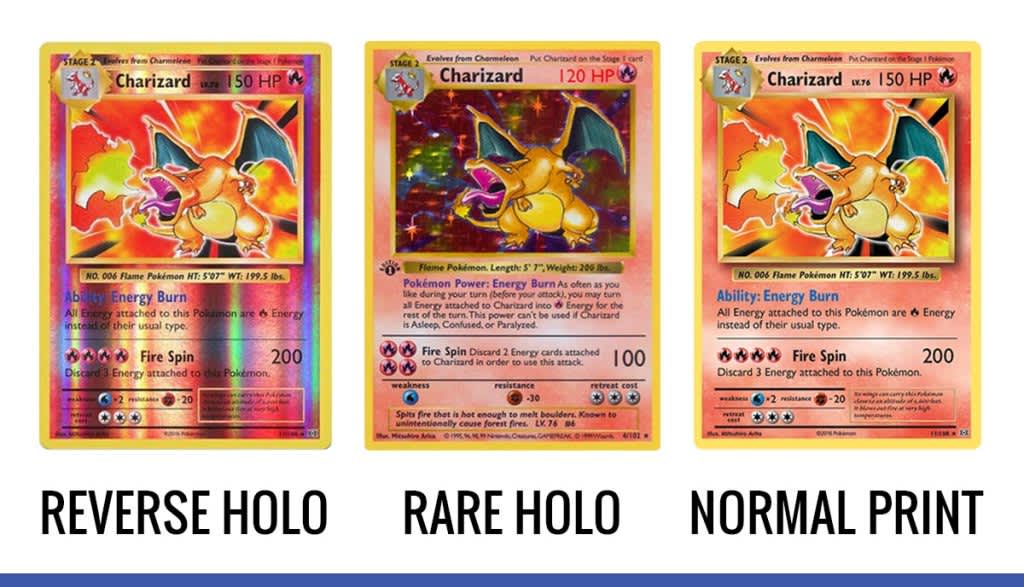
On a Real Card: The holofoil pattern is sharp, layered, and full of depth. On modern "Cosmos Holo" cards, the glitter is fine and uniform, like a starry sky.
When you tilt it, the light moves smoothly and clearly across distinct patterns.
The Fake Giveaway: Counterfeits often have a flat, muddy, or overly glossy finish. The glitter looks cheap and chunky, like spilled glitter glue. The pattern might be blurry or peel at the edges! The iconic swirl pattern on vintage cards is almost always wrong on fakes.
Level 2: The Security Stamp & Texture Check ✨
For ultra-rare GX, V, and VMAX cards, the security features are next-level.
On a Real Card: The 3D security stamp (with the set symbol) is crisp and has a diamond-shaped etching. Tilt it: it should cleanly switch between two different icons! Textured cards (like Rainbow Rares) have a deep, intricate, and consistent grain you can feel with your finger.
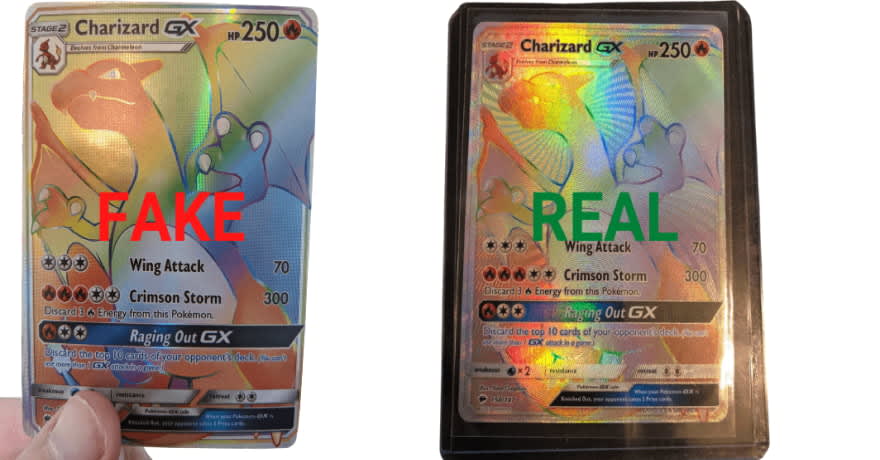
The Fake Giveaway: Fake stamps are often flat, pixelated, or misaligned. They might not shift icons at all. Fake textures are usually smooth or have a weird, sandy, uniform grit that doesn't match the artwork's contours.
Level 3: The Ink & Print Forensics 🔍
Time to put on your Inspector hat and look very closely.
On a Real Card: Colors are vibrant but natural. The font is a proprietary, super-sharp typeface—especially check the tiny © copyright symbol and attack damage numbers. The edges, when viewed closely, should reveal a thin blue layer in the middle (the "blue core").
The Fake Giveaway: Colors may be too dull or too neon. The font will often be slightly off—blurry, too thin, or the wrong style.
The edges are usually plain white all the way through. Borders might be uneven or off-center.
Your Pro Authentication Toolkit 🛠️
-
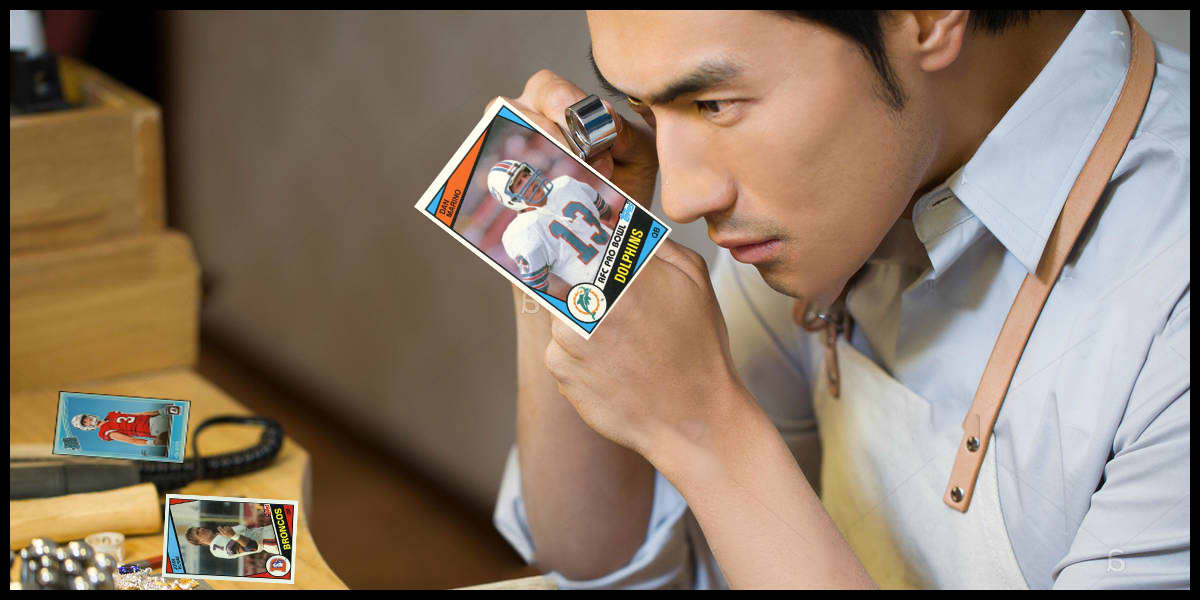
Get a Jeweler's Loupe (10x magnification): Your most powerful tool! It lets you see font clarity, print patterns, and holographic details impossible to spot with the naked eye. -
The Light & Tilt Test: Under a good lamp, slowly rock the card back and forth. Watch how the light dances on the holographic layer and how the security stamp changes. -
The Feel Test: Gently run your fingertip over textured areas. Authentic texture is pronounced and varied. -
Compare to a Known Genuine Card: Nothing beats a side-by-side comparison with a card you know is real from the same era.
Protect Your Real Treasures in Style!
Once you've confirmed your cards are the real deal, protect your investments with the best gear in the game. At Suprpetrix, we offer:
-
Crystal-clear card holder cases to keep your cards mint for decades. -
Premium 9-pocket binders for safe, stunning display. -
Magnetic display slabs that let your rarest cards shine while staying perfectly secure.
Stay sharp, collect smart, and may all your pulls be authentic!
Ready to showcase your verified collection? Explore our premium TCG showcase gear at Suprpetrix.com!


