

Hey, Trainers! Ready to become a Pokémon card condition expert? Whether you're trading, selling, or just want to know what your collection is really worth, understanding card condition is your secret power. Let's break down the grading scale from pristine Mint to battle-worn Played, so you can judge cards like a champion!
The Official Condition Tiers: From Lab Fresh to Battle Scarred
Think of card condition like a Pokémon's health bar. Here’s what each level really means:
Mint (MT)
The absolute perfection. This card just came from the pack and went straight into a sleeve. Under a bright light and a jeweler's loupe, you'll find:
-
Corners & Edges: Razor-sharp, no white dots or wear. -
Surface: Glossy and flawless—zero scratches, scuffs, or print lines. -
Centering: Perfectly balanced borders (top/bottom, left/right).
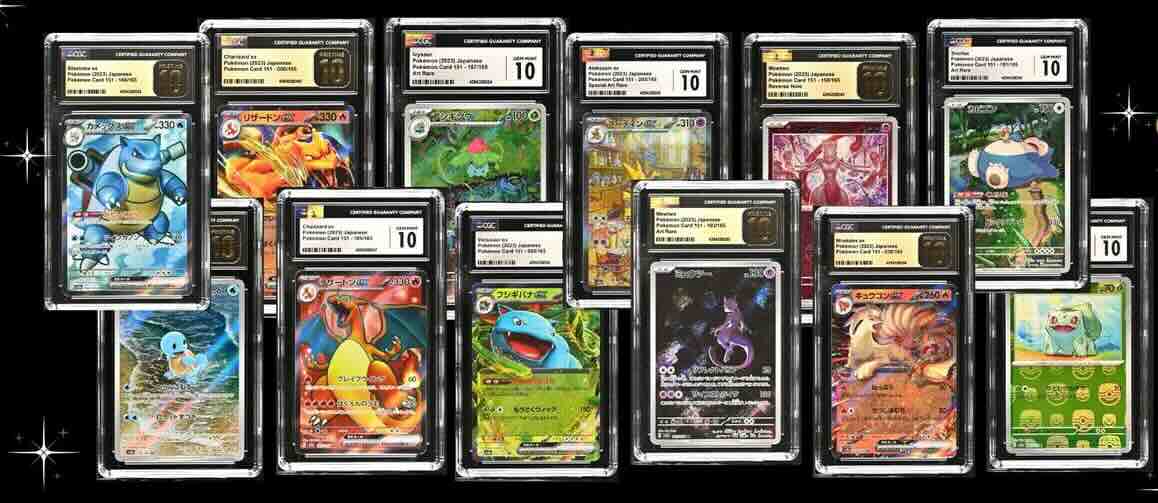
This is the holy grail for serious graders like PSA.
Near Mint (NM)
The collector's standard. Most cards pulled and immediately protected fall here.
Tiny imperfections are visible only under close inspection:
-
Corners & Edges: A minuscule white speck or two is acceptable. -
Surface: A faint, hairline scratch might be seen at the right angle. -
Centering: Slightly off-center, but not obviously so.
This is what you should aim to buy and sell for most valuable cards.
Excellent (EX) / Lightly Played (LP)
Played with care. These cards show clear signs of gentle use but remain attractive:
-
Corners & Edges: Noticeable minor whitening along the edges. -
Surface: Several light scratches or slight loss of original gloss. -
No major flaws: Absolutely no creases, bends, or stains.
Played (PL)
The veteran of battles. These cards have seen a lot of action and have obvious wear:
-
Corners & Edges: Significant whitening; corners may be slightly rounded. -
Surface: Visible scratching, scuffing, and worn gloss. -
Possible Issues: Might have very minor bends (no crease) or tiny, light stains. Still, the card isn't damaged.
Poor (PR)
Heavily damaged. These cards have major issues affecting structure:
-
Flaws Include: Creases, folds, heavy staining, large scratches, writing, or significant tears. -
Value: Typically only valuable if it's an extremely rare card.
Your Detective Toolkit: How to Judge Condition Like a Pro
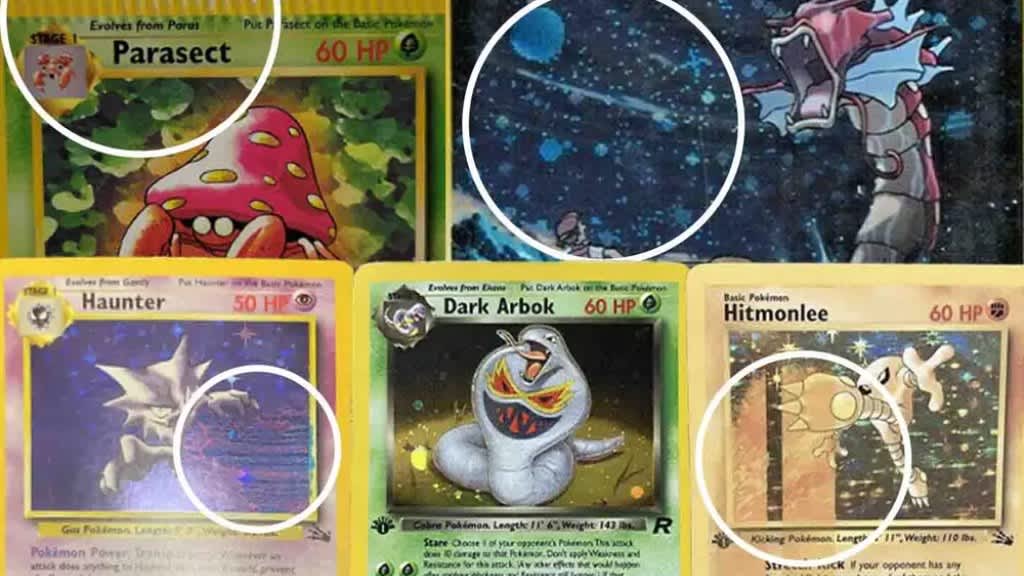
Don't just glance! Follow these steps for an accurate grade:
-
Light is Your Best Friend: Examine the card under a bright, natural light or a strong lamp. Tilt it slowly to catch scratches and edge wear. -
Get a Magnification Tool: A simple jeweler's loupe (10x) is essential for spotting micro-scratches and print imperfections. -
Feel the Surface (Carefully!): With clean hands, gently feel the card's surface for bends or warps. A card that doesn't lie flat has condition issues. -
The Corner & Edge Scan: Systematically check all four corners and the entire border for whitening, which is the most common flaw. -
Compare, Don't Guess: When in doubt, compare your card side-by-side with online reference photos from grading companies.
The #1 Rule of Collecting: Protect First, Ask Later!
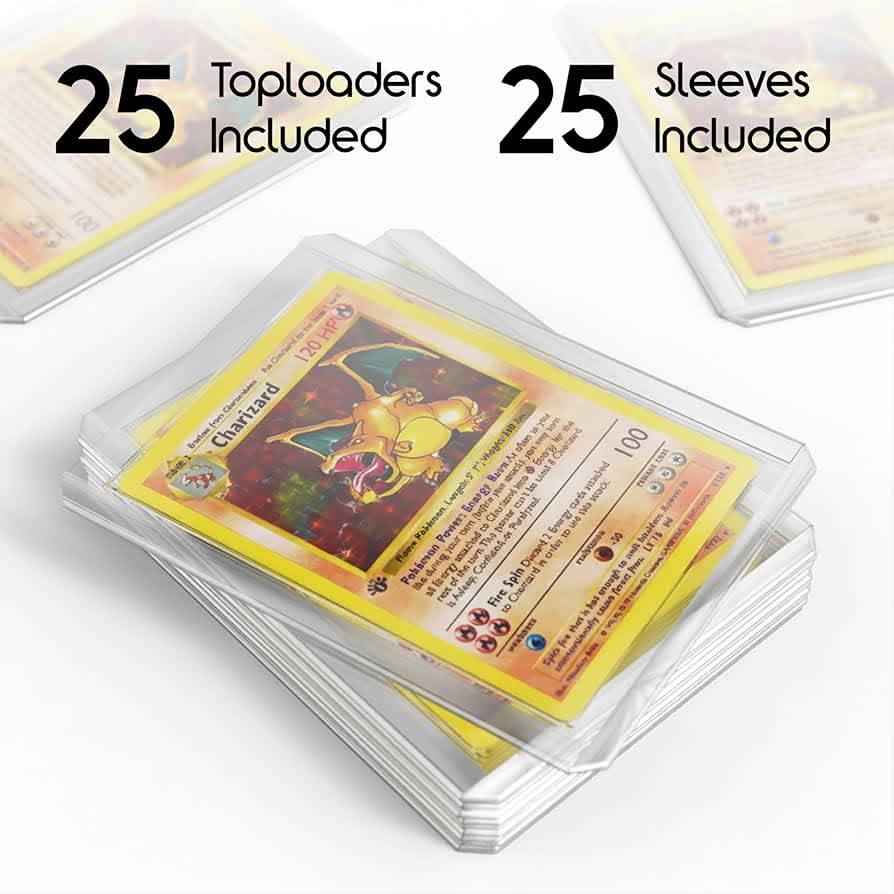
The moment you pull a card with potential, its future condition is in your hands. Sleeve it immediately to prevent scratches, and store it in a side-loading binder or a top loader to protect edges and prevent bends.
The difference between a Mint and a Played card can be hundreds of dollars. Proper protection isn't a cost—it's an investment.
Ready to give your collection champion-level protection?
At Suprpetrix, we craft the gear that guards your treasures:
-
Crystal-Clear Card Holder Cases: Prevent edge wear and keep cards pristine for years. -
Premium 9-Pocket Binders: Securely store and showcase your graded and ungraded cards in style. -
Magnetic Display Slabs: For your gem Mint cards that deserve a perfect showcase.
Check out our collection to armor up your cards today!


